
TL;DR
London Underground has launched a pilot program to scan passengers’ faces using facial recognition technology. The initiative aims to enhance security but has sparked privacy debates. The program is currently in testing, with full deployment still uncertain.
London Underground has initiated a pilot program to scan passengers’ faces using facial recognition technology at select stations. The move, confirmed by Transport for London (TfL), aims to enhance security and streamline passenger flow. This development marks a significant shift in transit surveillance practices and has raised privacy concerns among advocacy groups and passengers.
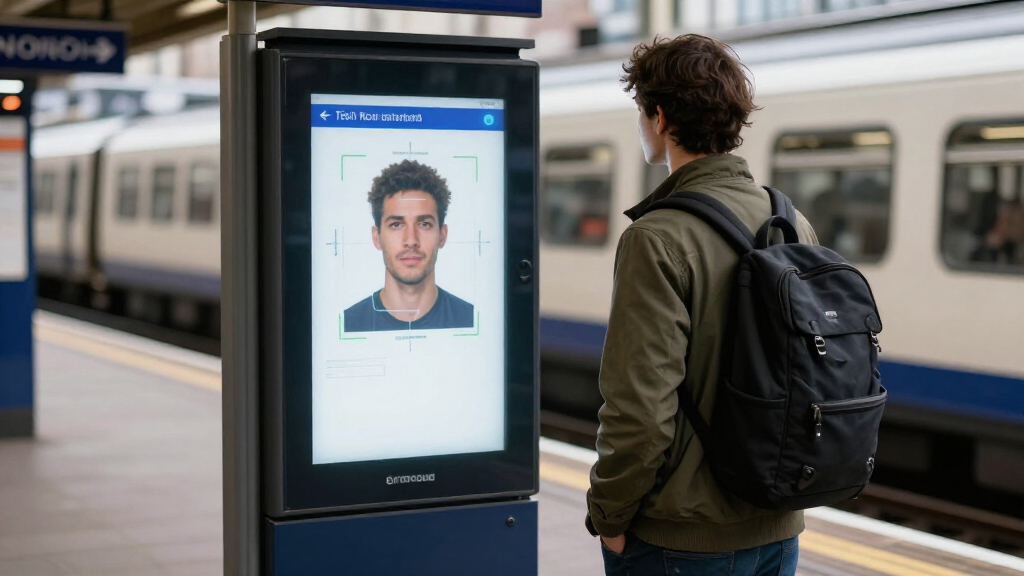
According to TfL, the face scanning system is currently being tested at two central London stations as part of a limited trial. The technology captures facial images to verify passenger identities against watchlists and security databases, with the aim of preventing crime and terrorism.
Sources within TfL confirm that the system uses cameras installed at station entrances and exits, with data processed in real-time through encrypted servers. Passengers are informed via signage about the ongoing trial, and participation is voluntary during this phase.
Privacy advocates and civil liberties groups have raised concerns regarding data collection, storage, and potential misuse. TfL has stated that the system complies with existing data protection laws and that images are deleted after verification. However, critics question whether safeguards are sufficient.
Implications of Facial Recognition in Public Transit
This development reflects a broader trend toward increased surveillance in public spaces, raising questions about privacy rights and data security. For passengers, it could mean faster security checks but also heightened concerns over personal data handling. Authorities argue that the technology could reduce crime and improve safety, yet critics warn of potential misuse and lack of transparency. The pilot’s success or failure could influence future adoption across other transit systems and public venues, impacting privacy standards nationwide.

eufy Security SoloCam E42, 4K Solar Security Camera, AI Facial Recognition
- Ultra HD 4K Resolution: Captures detailed footage around your home
- AI Motion Detection: Automatically detects and tracks people and vehicles
- Wide Coverage: 360° view with no blind spots
As an affiliate, we earn on qualifying purchases.
As an affiliate, we earn on qualifying purchases.
Background of Surveillance Technology in London Transit
London has previously experimented with various surveillance measures, including CCTV cameras and security checks. The introduction of facial recognition technology aligns with a global trend of deploying biometric systems in public spaces. TfL has indicated that this is a pilot, following similar trials in other cities, but it remains unclear how long the program will run or if it will be expanded.
Public response has been mixed, with some praising potential security benefits and others voicing privacy and civil liberties concerns. The UK Information Commissioner’s Office (ICO) has issued guidance on biometric data use, emphasizing the need for strict oversight.
“The facial recognition system is part of our ongoing efforts to improve security and passenger experience at key stations.”
— Transport for London spokesperson
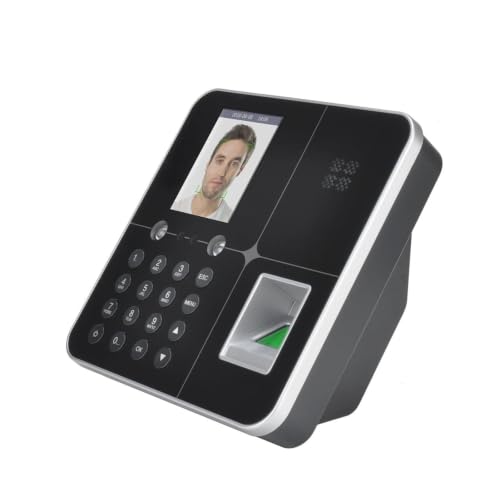
Face and Fingerprint Attendance Biometric Facial Recognition Machine Device Password Time Clock Voice Broadcast
- Multi-verification System: Facial, fingerprint, password options
- Fast Recognition Speed: Face in 1s, fingerprint in 0.7s
- High Accuracy: Low FAR 0.0001%, FRR 0.01%
As an affiliate, we earn on qualifying purchases.
As an affiliate, we earn on qualifying purchases.
Unresolved Questions About Data Use and Expansion
It is not yet clear how long the pilot will last, whether TfL plans to roll out the system across more stations, or how passenger data will be stored and protected long-term. The legal and ethical implications remain debated, with no definitive policies announced.
public transit facial recognition system
As an affiliate, we earn on qualifying purchases.
As an affiliate, we earn on qualifying purchases.
Next Steps for Facial Recognition Pilot at London Underground
TfL is expected to evaluate the pilot’s effectiveness over the coming months, including security outcomes and passenger feedback. If successful, plans for broader deployment may be announced, but privacy advocates will likely continue to scrutinize the program. Authorities may also face legal reviews or calls for stricter regulation.
Key Questions
Is participation in face scanning mandatory for passengers?
During the pilot phase, participation is voluntary, and passengers are informed about the system through signage. It is not mandatory, but refusal may impact certain security processes.
How is passenger data protected under this system?
Transport for London states that all facial images are encrypted, stored temporarily, and deleted after verification. However, critics question whether these measures are sufficient to prevent misuse.
Will this technology be expanded to all London stations?
It is not yet confirmed. TfL is currently assessing the pilot’s results before considering broader deployment, which has not been officially announced.
What legal safeguards exist for biometric data in the UK?
The UK’s Data Protection Act and guidance from the ICO regulate biometric data use, emphasizing transparency, purpose limitation, and individual rights. TfL claims compliance with these rules.
Source: hn