
TL;DR

Get backup power and energy gear delivered free with Prime
- Fast, free delivery on millions of items
- Prime Video, Amazon Music and more included
- Member-only deals all year
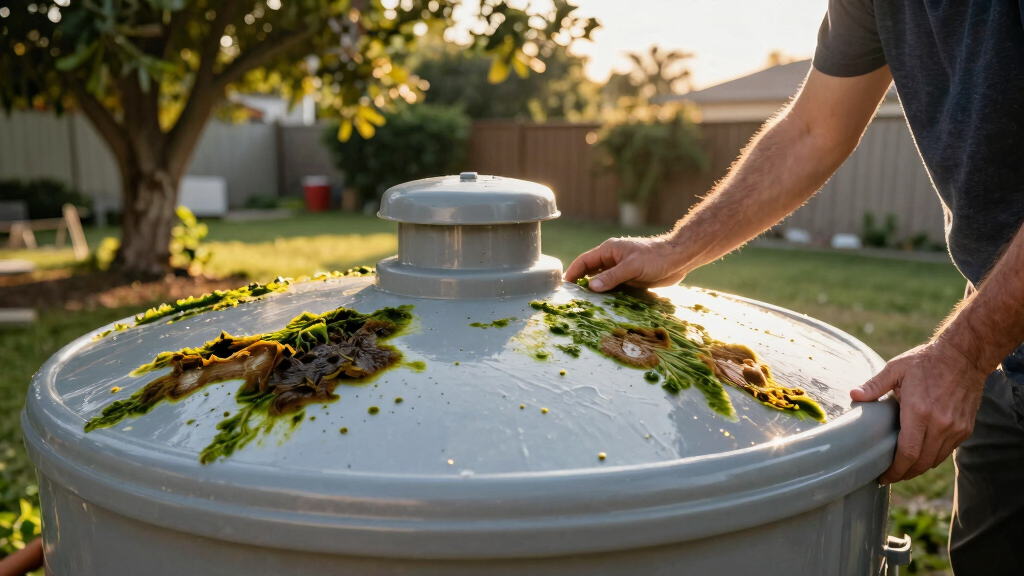
While many algae are harmless, some produce toxins that can cause health issues. Harmful algal blooms are increasing globally, posing risks to people and wildlife. This article explains when algae becomes a real threat.
Recent scientific assessments confirm that certain algae can produce potent toxins, turning what is usually a harmless part of aquatic ecosystems into a serious health hazard during harmful algal blooms (HABs). This development matters because these blooms are increasing in frequency and severity globally, affecting drinking water supplies, recreational waters, and marine life.
Experts have identified specific algae species, such as Microcystis and Karenia brevis, as primary producers of toxins like microcystins and brevetoxins. These toxins can cause a range of health issues in humans, including liver damage, neurological effects, and respiratory problems. The occurrence of harmful algal blooms has been linked to rising sea temperatures, nutrient pollution, and climate change, which create favorable conditions for these toxic algae to proliferate.
Authorities in several regions, including the Gulf of Mexico and parts of Asia, have issued warnings about unsafe water conditions during bloom events. In some cases, water treatment facilities have had to shut down or implement additional safety measures to prevent toxin exposure. Scientific studies indicate that these blooms are becoming more frequent and intense, raising concerns about long-term ecological and public health impacts.
Why Toxic Algae Blooms Pose a Growing Public Health Risk
This trend matters because harmful algal blooms threaten drinking water safety, impact seafood safety, and cause economic losses in fisheries and tourism. The toxins produced can accumulate in shellfish and fish, leading to illnesses like shellfish poisoning in humans. Additionally, blooms can cause mass die-offs of marine animals, disrupting ecosystems and local economies. The increasing frequency of HABs underscores the urgent need for improved monitoring, regulation, and pollution control measures.
water testing kits for algae toxins
As an affiliate, we earn on qualifying purchases.
As an affiliate, we earn on qualifying purchases.
Recent Trends and Factors Contributing to Harmful Algal Blooms
Harmful algal blooms have been documented for decades, but recent years have seen a surge in their occurrence worldwide. Climate change, with rising sea temperatures and altered weather patterns, has created more conducive environments for toxin-producing algae. Nutrient runoff from agriculture and urban development further fuels these blooms by providing excess nitrogen and phosphorus. Scientific reports from agencies like the NOAA and WHO highlight that these factors are contributing to the increased frequency, duration, and severity of HABs.
“The expanding reach of toxic algae blooms is a clear warning sign of changing ocean conditions and pollution levels. These toxins can have severe health impacts, especially during peak bloom periods.”
— Dr. Lisa Nguyen, Marine Biologist
As an affiliate, we earn on qualifying purchases.
Uncertainties About Future HAB Trends and Control Measures
While scientists agree that HABs are increasing, it is still unclear how future climate scenarios will influence their frequency and toxicity levels. There is also ongoing research into effective mitigation strategies, such as algae bloom prediction models and nutrient reduction programs, but their widespread implementation remains uncertain. Additionally, the full health impacts of chronic or repeated exposure to algal toxins are not yet fully understood.
shellfish poisoning prevention products
As an affiliate, we earn on qualifying purchases.
As an affiliate, we earn on qualifying purchases.
Next Steps in Monitoring, Research, and Public Safety
Researchers are working to improve early warning systems using satellite imagery and water testing technologies. Governments and environmental agencies plan to strengthen regulations on nutrient runoff and pollution controls. Public health advisories and water treatment protocols are expected to be updated to better protect communities during bloom events. Continued research aims to better understand toxin production mechanisms and develop effective mitigation strategies.
As an affiliate, we earn on qualifying purchases.
Key Questions
What causes harmful algal blooms?
HABs are primarily caused by nutrient pollution from agricultural runoff, wastewater, and urban development, combined with rising sea temperatures and changing weather patterns due to climate change.
How do toxins from algae affect human health?
Algal toxins can cause health issues such as liver damage, neurological symptoms, respiratory problems, and shellfish poisoning, especially when contaminated water or seafood is consumed.
Can harmful algal blooms be prevented?
Prevention involves reducing nutrient pollution through better land use practices, pollution controls, and monitoring. However, climate factors make complete prevention challenging, so early detection and management are critical.
Are all algae dangerous?
No, most algae are harmless and play vital roles in ecosystems. Only specific species produce toxins that pose health risks during HAB events.
What should communities do during a bloom warning?
Follow local advisories, avoid swimming or fishing in affected waters, and ensure drinking water is treated or sourced from safe supplies.
Source: rss
Fall Picks
fall essentials
As an affiliate, we earn on qualifying purchases.