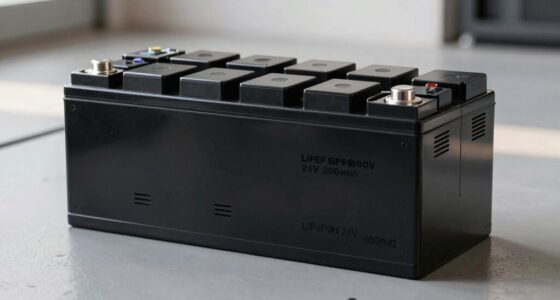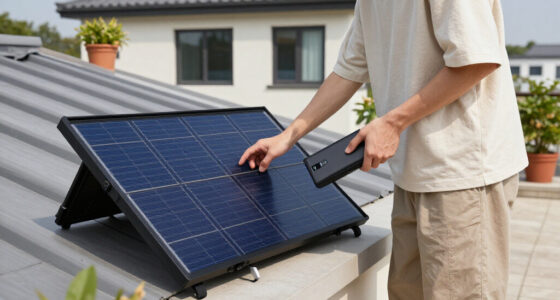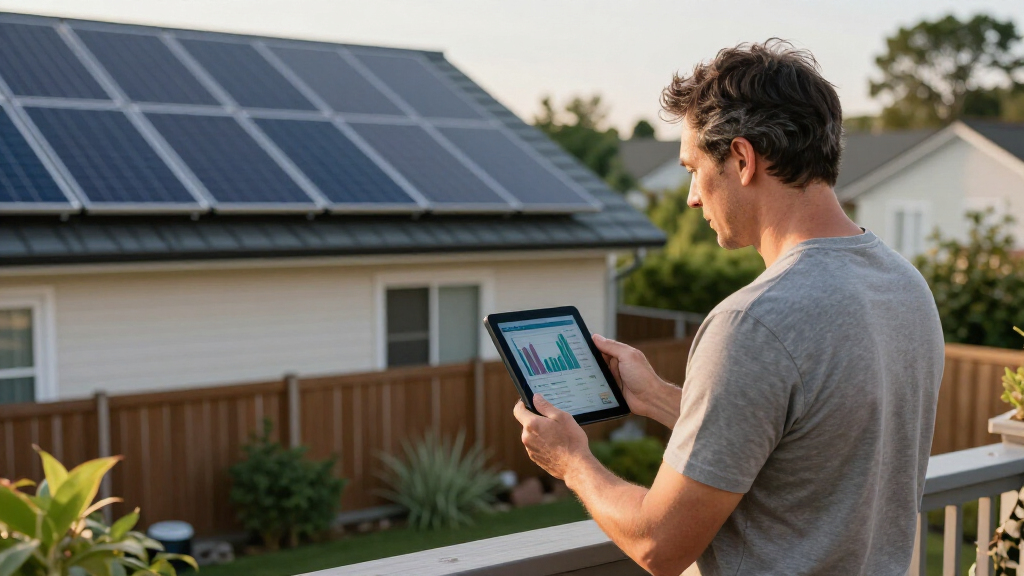

The Renogy Bifacial Solar Panel Kit (2360W) earns my top spot among the best home solar panels because it pairs high-output N-Type bifacial panels with a complete-kit design that serious homeowners can build around. For full off-grid independence, the ECO-WORTHY 10KW Complete Kit bundles panels, inverter, and battery storage into one system, while the SUNGOLDPOWER 440W 6-Pack delivers the lowest cost per watt for expandable arrays. The main tradeoff in this category is between complete kits (convenience, higher price) and panel-only purchases (flexibility, more planning required), plus the choice between high-efficiency bifacial glass panels and lighter framed alternatives. Certification matters too — UL-listed and CEC-recognized options simplify permitting and insurance. Read on for the full breakdown of all 14 options and which one fits your home, budget, and energy goals.

Get backup power and energy gear delivered free — and shop member deals
- Fast, free delivery on millions of items
- Access to Prime Big Deal Days deals on October 6–7
- Prime Video, Amazon Music and more included
Key Takeaways
- The Renogy 2360W bifacial kit ranked best overall because it balances 25% N-Type efficiency, expandable capacity, and a trusted brand — unlike cheaper panel-only sets that leave you sourcing compatible inverters and batteries separately.
- Complete off-grid kits (the two ECO-WORTHY 10kW systems) cost far more upfront but eliminate compatibility guesswork — the difference between the two kits comes down to battery capacity (9.36kWh vs 16.1kWh) and panel wattage, not quality.
- The SUNGOLDPOWER 6-Pack won on value: 2640W of CEC-listed, IP68-rated panels undercuts the per-watt cost of every other high-efficiency option in this lineup.
- Bifacial panels dominated this comparison — 9 of 14 products use them — because rear-side energy gain (up to 30% in reflective installations) justifies the heavier glass construction for ground mounts but not always for shaded roofs.
- Frameless options (STAR Cleanedge, HISHEN FLOWE) trade mounting hardware flexibility and snow-shedding edges for a sleeker look — a niche choice best reserved for visible installations where appearance matters.
| JJN 1100W Bifacial Solar Panel, 2-Pack |  | Best for Expanding an Existing System | Total Power: 1100W (2 x 550W) | Efficiency: 23% | Maximum Voltage: 49.5 V | VIEW LATEST PRICE | See Our Full Breakdown |
| ECO-WORTHY 10KW Off-Grid Solar System Complete Kit |  | Best Complete Off-Grid System | Max Output Power: 10000W (10KW) | Daily Energy Production: 9.36KWH (4 sun-hours) | Solar Panels: 12 x 195W N-Type bifacial (2340W) | VIEW LATEST PRICE | See Our Full Breakdown |
| EtnalSolar 400W Solar Panel Set, 2 × 200W N-Type Monocrystalline Panels |  | Best for Small 12V Off-Grid Projects | Total Power: 400W (2 x 200W) | Cell Type: N-type A+ monocrystalline, 18 busbars | Max Conversion Efficiency: 25.6% (claimed) | VIEW LATEST PRICE | See Our Full Breakdown |
| Renogy Bifacial Solar Panel Kit 2360W (4x590W) |  | Best High-Wattage Kit for Whole-Home Ambitions | Total Power: 2360W (4 x 590W) | Cell Efficiency: 25% | Cell Type: N-Type monocrystalline, 16BB | VIEW LATEST PRICE | See Our Full Breakdown |
| HISHEN 900W Solar Panel Kit (2 x 450W), UL 61730 Certified |  | Best Premium Design for Residential Rooftops | Total Power: 900W (2 x 450W) | Cell Efficiency: 25.2% | Cell Type: N-Type bifacial, 96 half-cut 210RR A+ Grade | VIEW LATEST PRICE | See Our Full Breakdown |
| SUNGOLDPOWER N-Type 440W Solar Panel, 6-Pack (2640W Total) |  | Best Bulk Buy for Whole-Home Arrays | Total Power: 2,640W (6 × 440W) | Cell Type: N-Type Monocrystalline Grade A | Efficiency: 22.05% | VIEW LATEST PRICE | See Our Full Breakdown |
| HQST 200W Bifacial N-Type Solar Panel |  | Best for RVs and Mobile Setups | Maximum Power: 200W (up to 260W bifacial) | Cell Type: N-Type Grade A+, 16BB | Efficiency: Up to 25.4% | VIEW LATEST PRICE | See Our Full Breakdown |
| ECO-WORTHY 10kW Off-Grid Solar Kit with 2,950W Panels and 16.1kWh Battery |  | Best Complete Off-Grid System | Inverter Output: 10,000W continuous / 20,000W peak | Output Voltage: 120V or 120V/240V split phase | Solar Panels: 5 × 590W monocrystalline (2,950W total) | VIEW LATEST PRICE | See Our Full Breakdown |
| Renogy 2-Pack 320W N-Type 18BB Solar Panels (640W Total) |  | Best for Beginners and Small Systems | Total Power: 640W (2 × 320W) | Cell Type: N-Type Monocrystalline, 32 cells | Panel Efficiency: 25% | VIEW LATEST PRICE | See Our Full Breakdown |
| HISHEN FLOWE Series Frameless 495W Monocrystalline Solar Panel, 2-Pack |  | Best Low-Maintenance Design | Power: 495W per panel (2-pack) | Cell Type: Monocrystalline, Grade A+ | Efficiency: 25.6% | VIEW LATEST PRICE | See Our Full Breakdown |
| Callsun 2-Pack 200W N-Type Bifacial Solar Panel (400W Total) |  | Best for RV and Marine Off-Grid Setups | Total Power: 400W (2 x 200W) | Cell Type: N-Type Monocrystalline, 16BB | Efficiency: 25.6% | VIEW LATEST PRICE | See Our Full Breakdown |
| STAR Cleanedge 2-Pack 495W Bifacial N-Type Frameless Solar Panels |  | Best Zero-Maintenance Premium Pick | Total Wattage: 990W (2 x 495W) | Cell Type: N-type bifacial, 16BB multi-busbar | Cell Efficiency: 25% | VIEW LATEST PRICE | See Our Full Breakdown |
| ECO-WORTHY 400W N-Type Monocrystalline Solar Panel Set, 4 × 100W |  | Best for Beginners and Small 12V Systems | Set Size: 4 x 100W panels (400W total) | Cell Type: N-type bifacial monocrystalline, 16BB | Conversion Efficiency: Up to 25% | VIEW LATEST PRICE | See Our Full Breakdown |
| DOKIO 800W Solar Panel Kit (2-Pack, 400W Each) |  | Best High-Wattage Battery Charging Kit | Total Power: 800W STC (2 x 400W) | Panel Voltage: 31V | Battery Compatibility: AGM, Gel, LiFePO4 (12V/24V systems) | VIEW LATEST PRICE | See Our Full Breakdown |
| home solar panel | Cell Type | Total Power |
|---|---|---|
| JJN 1100W Bifacial Solar Panel | — | 1100W (2 x 550W) |
| ECO-WORTHY 10KW Off-Grid Solar | — | — |
| EtnalSolar 400W Solar Panel Se | N-type A+ monocrystalline, 18 busbars | 400W (2 x 200W) |
| Renogy Bifacial Solar Panel Ki | N-Type monocrystalline, 16BB | 2360W (4 x 590W) |
| HISHEN 900W Solar Panel Kit | N-Type bifacial, 96 half-cut 210RR A+ Grade | 900W (2 x 450W) |
| SUNGOLDPOWER N-Type 440W Solar | N-Type Monocrystalline Grade A | 2,640W (6 × 440W) |
| HQST 200W Bifacial N-Type Sola | N-Type Grade A+, 16BB | — |
| ECO-WORTHY 10kW Off-Grid Solar | — | — |
| Renogy 2-Pack 320W N-Type 18BB | N-Type Monocrystalline, 32 cells | 640W (2 × 320W) |
| HISHEN FLOWE Series Frameless | Monocrystalline, Grade A+ | — |
| Callsun 2-Pack 200W N-Type Bif | N-Type Monocrystalline, 16BB | 400W (2 x 200W) |
| STAR Cleanedge 2-Pack 495W Bif | N-type bifacial, 16BB multi-busbar | — |
| ECO-WORTHY 400W N-Type Monocry | N-type bifacial monocrystalline, 16BB | — |
| DOKIO 800W Solar Panel Kit | — | 800W STC (2 x 400W) |
More Details on Our Top Picks
JJN 1100W Bifacial Solar Panel, 2-Pack
This set makes the most sense for homeowners who already have an inverter, charge controller, and mounting infrastructure, and just need to add serious wattage. At 550W per panel, each JJN unit outproduces the 450W HISHEN panels by a wide margin, so you get more capacity from fewer mounting points — a real advantage on crowded rooftops. The bifacial rear side adds extra yield when panels sit over light-colored roofing or gravel.
The tradeoff is handling: at roughly 62 lb per panel and nearly 90 inches long, these are two-person lifts that dwarf the compact EtnalSolar 200W panels. And the 23% efficiency trails the 25%-plus ratings of newer N-Type kits like the Renogy 2360W, so you need more roof area per watt. Buyers chasing the latest cell chemistry should look elsewhere.
Pros:- 550W per panel means fewer panels for the same total output
- Bifacial design harvests reflected light from the rear side
- Pre-drilled holes and MC4 connectors simplify retrofit installation
- Tempered glass and aluminum frame suit rooftop and off-grid mounting
Cons:- Very large panels at ~90 inches long require two-person installation
- 23% efficiency is behind the N-Type competition in this lineup
- Bifacial gains depend heavily on reflective surfaces beneath the array
Best for: Homeowners with an existing solar setup who want to add high-wattage panels without buying a full kit
Not ideal for: Buyers who want cutting-edge efficiency per square foot — 23% lags the 25%+ N-Type options in this roundup
- Total Power:1100W (2 x 550W)
- Efficiency:23%
- Maximum Voltage:49.5 V
- Connector Type:MC4
- Dimensions:89.61 x 44.65 x 1.38 in per panel
- Weight:123.4 lb (package)
- Materials:Aluminum, monocrystalline silicon, tempered glass
Our verdict“A solid wattage-per-panel play for expanding an existing array, as long as you have the muscle and roof space to handle oversized panels.”
ECO-WORTHY 10KW Off-Grid Solar System Complete Kit
This is the only product here that arrives as a turnkey power plant: twelve bifacial panels, a 10KW split-phase inverter, and 9.6KWh of lithium storage in one delivery. Compared with panel-only options like the Renogy 2360W kit, you’re spared the compatibility guesswork of matching an inverter, batteries, and charge controllers — everything is engineered to work together, with app-based monitoring built in.
The flip side is commitment. Professional installation is required, which adds meaningful cost beyond the hardware, and support is online-only with no on-site service. The 195W panels are also smaller and less efficient use of mounting labor than fewer high-wattage units like the JJN 550W panels. And the headline 9.36KWH daily figure assumes four full sun-hours, so cloudy climates will fall short. This is a system for someone going off-grid deliberately, not a starter experiment.
Pros:- Everything included: 12 panels, 10KW UL 1741 inverter, and 9.6KWh of lithium storage
- Certified to North American safety standards (UL 1741, UL 1973, UL 9540A, CEC)
- 25% efficient N-Type bifacial panels with IP68 waterproofing
- Inverter supports paralleling up to 6 units for 60KW output
Cons:- Professional installation required, adding substantial total cost
- Only online technical support — no on-site installation assistance
- 9.36KWH daily output assumes 4 hours of full sunshine
Best for: Off-grid cabins, farms, and homes where the owner wants panels, inverter, and batteries from a single coordinated package
Not ideal for: DIY beginners and grid-tied suburban homeowners — it needs professional installation and off-grid is a costly path if grid power is available
- Max Output Power:10000W (10KW)
- Daily Energy Production:9.36KWH (4 sun-hours)
- Solar Panels:12 x 195W N-Type bifacial (2340W)
- Battery Capacity:2 x 48V 100AH lithium (9.6KWH)
- Output Voltage:120V/240V AC split-phase
- Solar Cell Efficiency:25%
- Certifications:UL 1741, UL 1973, UL 9540A, CEC
- Monitoring:CAN/RS485, Bluetooth and WiFi app
Our verdict“The most complete path to genuine off-grid living in this roundup, provided you budget for professional installation and realistic sun exposure.”
EtnalSolar 400W Solar Panel Set, 2 × 200W N-Type Monocrystalline Panels
Where the ECO-WORTHY 10KW kit is a whole-house solution, this EtnalSolar set is the opposite: a lightweight 12V-focused pair for sheds, gate openers, small cabins, or battery-charging duty. The 18-busbar N-Type cells push a claimed 25.6% efficiency — on paper higher than the JJN panels — meaning these small panels punch above their footprint. Series or parallel wiring lets you scale to 24V or 48V later, which the Callsun 400W two-pack also offers but without the same warranty depth.
That warranty is the standout: 10 years on materials and 30 years on output, with a stated 87.4% power retention at three decades. The honest caveat is that these figures are manufacturer claims, not independently verified, and the listing omits panel dimensions and weight entirely — an odd gap that makes mounting planning harder than it should be. For small projects the risk is manageable; for anything ambitious, verify measurements before ordering.
Pros:- Series/parallel wiring supports expansion to 24V/48V systems
- Works with both PWM and MPPT charge controllers
- Long 10-year materials and 30-year power output warranty
- Rugged build: IP68 rating, 2400Pa wind and 5400Pa snow load ratings
Cons:- Efficiency and 30-year retention figures are manufacturer claims without independent verification
- Panel dimensions and weight are not disclosed, complicating mounting plans
Best for: DIYers building small 12V off-grid setups like sheds, workshops, or battery banks who want long warranty coverage
Not ideal for: Whole-home power buyers — 400W total is a fraction of what a household consumes daily
- Total Power:400W (2 x 200W)
- Cell Type:N-type A+ monocrystalline, 18 busbars
- Max Conversion Efficiency:25.6% (claimed)
- System Compatibility:12V batteries; PWM and MPPT controllers
- Operating Temperature:-45°C to 85°C
- Warranty:10-year materials; 30-year power output
Our verdict“A sensible, warranty-backed pair for modest 12V projects — just confirm the unlisted dimensions fit your mounting plan first.”
Renogy Bifacial Solar Panel Kit 2360W (4x590W)
This Renogy kit sits at the sweet spot between the panel-only packs and the full ECO-WORTHY system: 2360W of N-Type bifacial capacity without forcing you into a bundled inverter and battery package you may not want. The 25% efficient 16BB cells and up-to-30% bifacial gain give it a clear output edge over the JJN 1100W two-pack per square foot of roof, and the 2400Pa wind / 5400Pa snow ratings mean it’s built for serious weather.
Renogy’s brand ecosystem is the quiet advantage here — connectors, controllers, and accessories are widely available, which smaller brands like HISHEN can’t match. The cost is sheer bulk: 233 pounds across four large panels, each nearly 90 inches tall, so plan for a helper and possibly rail-mounting hardware. The warranty details also require contacting customer service rather than being stated upfront, which is friction the EtnalSolar set avoids.
Pros:- 2360W total from just four high-efficiency 590W panels
- N-Type 16BB cells with 25% conversion efficiency
- Bifacial design adds up to 30% more energy than standard panels
- Corrosion-resistant frame rated for 2400Pa wind and 5400Pa snow loads
Cons:- 233 lb total weight and large footprint make installation a multi-person job
- Warranty terms not clearly stated upfront — must be requested via customer service
Best for: Homeowners building a substantial DIY array who want brand-name reliability without a forced complete-system purchase
Not ideal for: Small rooftops and compact RVs — four near-90-inch panels demand serious mounting real estate
- Total Power:2360W (4 x 590W)
- Cell Efficiency:25%
- Cell Type:N-Type monocrystalline, 16BB
- Bifacial Gain:Up to 30% more energy
- Dimensions (per panel):44.6 x 2.8 x 89.7 in
- Weight:233 lb total
- Weather Resistance:IP68 junction box; 2400Pa wind, 5400Pa snow
Our verdict“The strongest middle path for serious home arrays — big-brand panels with top-tier specs, if your roof and installation crew can handle the size.”
HISHEN 900W Solar Panel Kit (2 x 450W), UL 61730 Certified
This HISHEN pair is the aesthete’s choice: an all-black slim 30mm frame and dual-glass construction that reads as a designed rooftop feature rather than bolted-on hardware. The specs back the looks — 25.2% efficiency, 21 W/ft² power density, and a gentle -0.16%/°F temperature coefficient that holds output better on hot roofs than most competitors here. Compared with the Renogy 2360W kit, you give up half the wattage but gain UL 61730 certification and a cleaner curb-appeal profile.
The half-cut 210RR cell design with anti-PID and no-LID treatment also promises slower long-term degradation than standard mono panels like the JJN set. The honest tradeoffs: bifacial rear-side gains only materialize over reflective surfaces, which contradicts a dark rooftop aesthetic, and the premium finish typically commands a higher per-watt cost than utilitarian panels. If your priority is raw value per watt, the JJN or Renogy options deliver more output for the money.
Pros:- 25.2% efficiency with strong 21 W/ft² power density
- UL 61730 safety certification with 10-year product warranty
- All-black slim frame and dual-glass build for a clean rooftop look
- Anti-PID, no-LID half-cut cells reduce degradation and hot-spot risk
Cons:- Bifacial output gains depend on reflective surfaces beneath the panels
- Premium full-black design carries a higher cost per watt than standard panels
Best for: Homeowners who care about curb appeal and want sleek, certified black panels for a visible residential rooftop
Not ideal for: Budget-focused buyers maximizing watts per dollar — the premium finish and dual-glass build cost more per watt
- Total Power:900W (2 x 450W)
- Cell Efficiency:25.2%
- Cell Type:N-Type bifacial, 96 half-cut 210RR A+ Grade
- Power Density:21 W/ft²
- Certification:UL 61730
- Warranty:10-year product warranty
- Temperature Coefficient:-0.16%/°F
- Frame:30mm black anodized aluminum, 2.0mm dual-glass
Our verdict“The pick when appearance and certified quality matter as much as output — sleek, efficient panels for a visible roof, at a premium.”
SUNGOLDPOWER N-Type 440W Solar Panel, 6-Pack (2640W Total)
Buying panels in volume is where the real math of a home solar project happens, and this 6-pack of 440W N-Type panels gives you 2,640W of capacity in one shipment. The 16BB half-cell design translates into better shade tolerance than standard panels, which matters on rooftops where chimneys or vents create partial shading through the day. Compared with the Renogy 2-Pack 320W panels, you get more than four times the wattage at a lower per-panel handling burden per watt, though each panel still weighs a hefty 46.3 lbs. The CEC listing is the quiet differentiator here — it opens the door to state rebates and incentives that many cheaper panels can’t touch. The tradeoff is installation: bolting six large panels onto a roof is realistically a two-person, multi-day job unless you hire it out.
Pros:- High-efficiency N-Type cells with 16BB design reach up to 22.5% efficiency
- CEC listed, qualifying the system for solar incentives and rebates
- Rugged IP68 build rated for 2400Pa wind and 5400Pa snow loads
- 12-year workmanship and 25-year linear performance warranties
Cons:- At 46.3 lbs per panel, solo handling and roof installation is genuinely difficult
- Longer-established brands offer wider aftermarket mounting and support ecosystems
Best for: Homeowners planning a substantial rooftop array who want incentive-eligible panels bought in a single bulk order
Not ideal for: DIYers working alone or renters who can’t commit to mounting six full-size panels permanently
- Total Power:2,640W (6 × 440W)
- Cell Type:N-Type Monocrystalline Grade A
- Efficiency:22.05%
- Amperage:13.73 A
- Connector:MC4 (IP68 junction box)
- Weight (per panel):46.3 lbs
- Certifications:UL61730, CEC Listed
- Warranty:12-year workmanship, 25-year performance
Our verdict“This pack makes the most sense for a homeowner building out a serious whole-home array who can handle a multi-panel installation.”
HQST 200W Bifacial N-Type Solar Panel
When roof real estate is measured in square feet rather than square yards, efficiency per inch becomes the metric that matters. This HQST 200W bifacial panel squeezes out up to 25.4% efficiency — among the highest in this roundup — while staying light at 21.58 lbs and compact enough for a campervan roof. The bifacial glass captures reflected light from below, which pairs naturally with a white RV roof where albedo is high. Compared with the CALLSUN 2-Pack 200W bifacial panels, the HQST counters with a 30-year service life rating versus shorter expected lifespans. The honest caveat: those advertised bifacial gains of up to 30% depend heavily on mounting height, tilt, and ground reflectivity, so a dark asphalt driveway underneath will give you far less than a light-colored surface. Treat the 260W ceiling as a best case, not a promise.
Pros:- Bifacial design can add up to 30% more output in reflective conditions
- 30-year rated service life with 87.4% output at the end
- Compact 21.58 lb build is genuinely manageable for one person
- IP68 waterproofing with 2400Pa wind and 5400Pa snow load ratings
Cons:- Bifacial gains vary widely with reflectivity, mounting height, and tilt angle
- Single 200W panel means multi-panel purchases for anything beyond battery top-ups
Best for: Van lifers, boaters, and off-grid builders who need maximum power from a small, lightweight footprint
Not ideal for: Stationary ground mounts over dark or grassy surfaces where bifacial gains largely disappear
- Maximum Power:200W (up to 260W bifacial)
- Cell Type:N-Type Grade A+, 16BB
- Efficiency:Up to 25.4%
- Dimensions:30.1 x 47.2 x 1.2 inches
- Weight:21.58 lbs
- Service Life:30 years (87.4% output)
Our verdict“This is the pick for mobile users who value watts-per-pound over raw capacity and can mount it over reflective surfaces.”
ECO-WORTHY 10kW Off-Grid Solar Kit with 2,950W Panels and 16.1kWh Battery
Most options in this roundup sell you panels and leave the rest of the system as homework. This ECO-WORTHY kit arrives with everything linked: five 590W panels, a 10kW split-phase inverter, and a 16.1kWh LiFePO₄ battery with monitoring built in. The 120V/240V split-phase output is what separates it from the other ECO-WORTHY 10kW kit in this guide — that second 120V leg is what lets you run well pumps, dryers, and other heavy household appliances that ordinary single-phase inverters can’t start. Expansion headroom is generous on both sides, with up to 15 parallel batteries and 6 parallel inverters. The tradeoffs are real: 2,950W of panels is modest against 10kW of inverter capacity and 16.1kWh of storage, so you’ll want to add more PV over time, and professional installation is strongly advised — this is not a weekend plug-and-play project.
Pros:- Complete matched system: panels, 10kW split-phase inverter, and 16.1kWh battery in one package
- 120V/240V output runs large household appliances most kits can’t handle
- Battery and inverter both expandable in parallel for future growth
- Onboard 7-inch display plus Bluetooth, Wi-Fi, and PC monitoring
Cons:- Professional installation recommended, adding meaningful cost
- Only 2,950W of panels against 10kW of inverter — undersized PV for full off-grid living until expanded
- Palletized truck delivery requires an address that can accept freight
Best for: Rural homeowners or cabin builders going fully off-grid who want matched components and whole-house 240V power
Not ideal for: Grid-tied suburban homeowners — the panel wattage alone can’t feed a typical house without expansion, and permits will complicate things
- Inverter Output:10,000W continuous / 20,000W peak
- Output Voltage:120V or 120V/240V split phase
- Solar Panels:5 × 590W monocrystalline (2,950W total)
- Battery:48V 314Ah LiFePO₄, 16.076kWh
- BMS:PACE 200A
- Battery Expansion:Up to 15 units in parallel
- Monitoring:7-inch display, Bluetooth, Wi-Fi, PC
Our verdict“This kit suits a serious off-grid build where matched components and split-phase power matter more than upfront simplicity.”
Renogy 2-Pack 320W N-Type 18BB Solar Panels (640W Total)
Renogy’s ecosystem is the reason this 2-pack earns a spot: pre-drilled holes and compatibility with a deep catalog of Renogy mounts, charge controllers, and adapters mean a first-time builder can assemble a working system without soldering or guesswork. The 25% cell efficiency and 18-busbar design keep it competitive on pure specs with pricier options like the SUNGOLDPOWER 440W panels, and the extra busbars actively reduce hot-spot formation — a failure mode that quietly kills panels mounted near partial shade. The 30% Federal Solar Tax Credit eligibility sweetens the deal for US buyers. What you give up is scale and siting flexibility: 640W total is starter territory, not whole-home territory, and these panels genuinely need a shade-free location year-round, so a tree that leafs out in summer can gut your output.
Pros:- 25% cell efficiency delivers strong power from a modest footprint
- 18 busbars reduce hot spot formation and extend panel lifespan
- Pre-drilled holes and broad Renogy mount compatibility make DIY installation straightforward
- Eligible for up to 30% Federal Solar Tax Credit
Cons:- Requires a fully shade-free installation site year-round
- 90.5 lbs for the pair makes handling a two-person job
- 640W total is limited for anything beyond small off-grid or supplemental use
Best for: First-time solar builders and small-system owners who want a plug-compatible ecosystem and simple mounting
Not ideal for: Homeowners with partial shade from trees or structures — year-round shade-free placement is a hard requirement
- Total Power:640W (2 × 320W)
- Cell Type:N-Type Monocrystalline, 32 cells
- Panel Efficiency:25%
- Busbars:18
- Amperage:8.46 A
- Dimensions (per panel):64.37″L x 34.65″W x 1.38″H
- Certification:EL certified
Our verdict“This 2-pack is the right entry point for a beginner building a small, expandable system within Renogy’s ecosystem.”
HISHEN FLOWE Series Frameless 495W Monocrystalline Solar Panel, 2-Pack
The frameless Cleanedge design is the whole story here: traditional panel frames trap dust, pollen, and debris along their edges, slowly choking output and demanding periodic cleaning. By eliminating the frame, HISHEN lets rain sheet cleanly across the glass, which can meaningfully cut maintenance for rooftop installs that are awkward to reach. At 495W per panel and 25.6% efficiency, the FLOWE series actually edges out the STAR Cleanedge 495W frameless 2-pack on efficiency, making it the stronger choice where every percentage point counts. But the frameless approach cuts both ways — frames also provide rigidity and standardized mounting points, so you’ll need to verify your rails, clamps, and sealants are compatible before committing. More concerning for careful shoppers: the listing provides no dimensions or weight, which makes installation planning and shipping logistics a genuine gamble compared with fully documented rivals like the SUNGOLDPOWER or Renogy packs.
Pros:- Frameless Cleanedge design reduces edge buildup of dust and debris
- Rain-assisted cleaning lowers routine maintenance burden
- 25.6% efficiency with 495W per panel is strong output for the size class
- Versatile enough for residential, RV, marine, and off-grid applications
Cons:- Frameless construction may not fit standard mounting hardware without compatibility checks
- No published dimensions or weight, complicating installation and freight planning
- 10-year product warranty is shorter than the 25-year performance coverage of framed rivals
Best for: Homeowners with hard-to-reach rooftops who want rain-cleaned panels and can verify mounting compatibility in advance
Not ideal for: Anyone who needs precise installation planning — the missing dimensions and weight make pre-purchase preparation impossible
- Power:495W per panel (2-pack)
- Cell Type:Monocrystalline, Grade A+
- Efficiency:25.6%
- Frame:Frameless Cleanedge design
- Certification:UL 61730
- Warranty:10 years
- Applications:12V/24V systems, RVs, boats, cabins, rooftops, off-grid
Our verdict“Choose this pair if low-maintenance rain-cleaned panels fit your mounting situation, but confirm compatibility and sizing before ordering.”
Callsun 2-Pack 200W N-Type Bifacial Solar Panel (400W Total)
Callsun’s 400W bifacial pair earns its spot as the most installation-flexible option here for mobile off-grid use. The N-type 16BB cells hit 25.6% efficiency, the highest conversion figure in this batch, while the dual-module parallel layout keeps power flowing when a tree or roof rack shades part of the array — a real advantage over the DOKIO kit, which depends more heavily on controller-level shading management. Compared with the ECO-WORTHY 4 × 100W set, fewer panels means fewer mounts and cables to route across a van roof. The tradeoff is voltage: the 47.48V Vmp series configuration only suits power stations with roughly 60V input limits, so pairing needs checking before buying. Rear-side gains also depend on reflective surfaces, so white RV roofs help and dark rooftops don’t.
Pros:- 25.6% efficiency is the highest in this batch of picks
- Anti-shading dual-module layout sustains output in partial shade
- Tempered glass, aluminum frame, and IP68 junction box handle mobile vibration and weather
- 25-year performance guarantee with 84.5% output retained
Cons:- Rear-side energy gain varies widely with installation surface and mounting height
- Series configuration limits compatibility with lower-voltage portable stations
- 23.8 lbs per panel makes solo rooftop mounting awkward
Best for: RV, van, and boat owners building a 12V/24V off-grid system who want high efficiency in a compact two-panel footprint
Not ideal for: Buyers pairing with power stations that have low voltage input caps, or anyone mounting flush against a dark surface where bifacial gains vanish
- Total Power:400W (2 x 200W)
- Cell Type:N-Type Monocrystalline, 16BB
- Efficiency:25.6%
- Voltage:47.48V Vmp / 54.62V Voc
- Dimensions (per panel):51.3 x 30.3 x 1.4 inches
- Weight (per panel):23.8 lbs
- Materials:3.2mm tempered glass, aluminum alloy frame
- Warranty:10 years technical support; 25-year performance guarantee
Our verdict“A strong pick for mobile off-grid builders who can verify voltage compatibility and mount over a reflective surface.”
STAR Cleanedge 2-Pack 495W Bifacial N-Type Frameless Solar Panels
STAR’s Cleanedge frameless duo delivers 990W of capacity with the longest warranty coverage in this roundup — 12 years on quality and 30 years of linear power output. The frameless edge is the actual selling point: no frame lip means no dust or water pooling, so rain handles cleaning on their own. Compared with the HISHEN FLOWE frameless 495W pair, this one adds UL61730 certification and a 16BB cell layout that keeps output stable in low light and partial shade. The honest caveat is that STAR’s claims of a 15% power gain and thousands per year in cleaning savings are manufacturer figures, not independently verified. Buyers should also budget for specialized mounting hardware, since frameless panels won’t drop into standard framed rail clamps the way the Callsun or DOKIO options will.
Pros:- 990W total from just two panels reduces rack space and connections
- Rain self-cleaning frameless design eliminates routine cleaning
- 30-year linear power output warranty is the longest here
- UL61730 certified for wind, snow, and hail resistance
Cons:- Frameless design requires specialized mounting hardware and careful installation
- Headline energy-gain and cleaning-savings figures are manufacturer claims, not verified
Best for: Homeowners installing a fixed rooftop array who want maximum long-term output with minimal upkeep
Not ideal for: DIYers using standard framed-panel mounting rails, since the frameless design requires different hardware and careful handling
- Total Wattage:990W (2 x 495W)
- Cell Type:N-type bifacial, 16BB multi-busbar
- Cell Efficiency:25%
- Voltage:24V
- Design:Frameless Cleanedge series
- Certifications:UL61730, ISO9001, CE
- Testing:100% EL tested
- Warranty:12-year quality; 30-year linear power output
Our verdict“The pick for a permanent low-maintenance rooftop installation — provided you plan for frameless mounting hardware from day one.”
ECO-WORTHY 400W N-Type Monocrystalline Solar Panel Set, 4 × 100W
ECO-WORTHY’s four-panel starter set is the gentlest entry point into solar in this lineup. Four separate 100W panels mean a beginner can start small — wiring one or two to a battery — and expand later without touching the existing array, something neither the Callsun 2-pack nor the DOKIO 800W kit allows as easily. Pre-drilled holes and plug-and-play MC4 connectors keep installation simple, and bypass diodes in the IP68 junction box soften the hit when one panel gets shaded, partially offsetting the smaller panels’ inherent shading vulnerability. Efficiency reaches 25%, competitive with pricier options here. The tradeoffs are logistical: splitting 400W across four panels means more roof mounts, more cable runs, and more potential failure points than a two-panel equivalent — plus the set ships in two boxes that may arrive on different days.
Pros:- Modular 100W panels let beginners scale capacity gradually
- Plug-and-play MC4 connectors and pre-drilled holes simplify DIY installation
- Bypass diodes reduce shading-related power loss
- Works with both 12V and 24V system voltages
Cons:- Four panels quadruple the mounts, cables, and joints versus a 2 x 200W setup
- Split shipment may arrive in two boxes on different days
- 23.8 lbs per panel is heavy for the modest 100W output
Best for: First-time solar users building or growing a small 12V/24V system who want modular, expandable capacity
Not ideal for: Anyone wanting a tidy two-panel installation — four separate panels mean more mounting hardware and cable clutter
- Set Size:4 x 100W panels (400W total)
- Cell Type:N-type bifacial monocrystalline, 16BB
- Conversion Efficiency:Up to 25%
- Output:4.96A, 21.6V output (25.2V max)
- Dimensions per panel:35.63 x 23.03 x 1.18 inches
- Weight per panel:23.8 lbs
- Connector:MC4, IP68 junction box
- Materials:Monocrystalline silicon, low-iron glass, anodized aluminum
Our verdict“The best on-ramp for cautious beginners who value expandability over a clean two-panel install.”
DOKIO 800W Solar Panel Kit (2-Pack, 400W Each)
DOKIO’s 800W two-panel kit is the strongest choice in this batch for serious battery charging on a modest footprint. Doubling panel count instead of multiplying small units — two 400W panels replace eight 100W panels — cuts splitters and joints dramatically, which matters because every connection is a future failure point. Compared with the ECO-WORTHY 4 × 100W set, the wiring alone is cleaner and more reliable. Compatibility is unusually broad: AGM, Gel, and LiFePO4 batteries all work, and the 9.84ft MC4 leads usually eliminate extension cables entirely. It lacks the bifacial rear-side gains of the Callsun or STAR panels, so pure per-square-foot output trails those picks, and 800W of real current demands a properly rated MPPT controller and inverter — an under-spec controller is the most common mistake with a kit this size.
Pros:- Two large panels mean far fewer connections than eight 100W equivalents
- Works with AGM, Gel, and LiFePO4 batteries via PWM or MPPT controllers
- 9.84ft MC4 leads reduce need for extensions and extra joints
- Sealed junction boxes and tempered glass for year-round outdoor use
Cons:- Requires an appropriately rated charge controller and inverter for 800W of current
- Monofacial design forfeits the rear-side gains of the Callsun and STAR bifacial picks
- Series wiring only possible with suitably rated controllers
Best for: Off-grid cabin or large battery bank owners who need fast charging and broad battery compatibility with minimal wiring
Not ideal for: Buyers on a small charge controller or tight budget for balance-of-system gear — 800W requires appropriately rated equipment
- Total Power:800W STC (2 x 400W)
- Panel Voltage:31V
- Battery Compatibility:AGM, Gel, LiFePO4 (12V/24V systems)
- Controller Compatibility:PWM/MPPT (MPPT advised)
- Cable Length:9.84ft (3m) MC4 leads per panel
- Frame:Aluminum with tempered glass
- Recommended Wiring:Parallel for 12V systems
Our verdict“The go-to for powering a large battery bank with minimal wiring complexity, as long as your controller can handle the full 800W.”
How We Picked
I evaluated each option against five buyer-relevant criteria: wattage and efficiency (N-Type cells with 25%+ efficiency consistently outperformed older cell types), system completeness (whether panels ship alone or with inverters and batteries), certifications (UL 61730, UL 1741, and CEC listing affect permitting and insurance eligibility), durability ratings (IP68 junction protection and weather resistance), and cost per watt relative to the included components. Kits with mismatched or undersized components ranked lower even when panel specs looked strong on paper.
The ranking logic prioritizes practical outcomes over raw specs. A 590W bifacial panel with a 25-year-oriented design means nothing if the buyer can’t wire it into their home — so complete kits that remove compatibility risk ranked highly for beginners, while high-value panel packs ranked highly for experienced DIYers planning expansion. Smaller 200W-class options were judged as entry points and supplemental arrays rather than whole-home solutions, which is why they cluster at the lower end of the ranking despite solid build quality.
Factors to Consider When Choosing Best Home Solar Panels
Choosing home solar panels involves more than picking the highest wattage. These are the factors that actually determine whether your system performs well for 25 years — and the mistakes that cost buyers the most.Panel-Only vs. Complete Kit: Match the Purchase to Your Skill Level
The single biggest decision is whether to buy panels alone or a full system kit. Panel-only purchases like the SUNGOLDPOWER or Renogy bundles assume you already own — or will separately source — a compatible inverter, charge controller, cabling, and mounting hardware. Mismatch any of these and you risk underperformance, voided warranties, or even fire hazards from overloaded components. Complete kits such as the ECO-WORTHY 10kW systems cost more per watt but ship with pre-matched inverters (UL 1741 listed) and lithium batteries sized to the panel array. My general rule: if you can’t confidently calculate your daily kWh consumption and wire a 48V system, buy the kit. If you’ve already built a system and are expanding, panel-only packs offer better economics. Many buyers make the mistake of buying a big panel array first, then discovering their inverter can’t handle the input — always size the electronics before adding panels.
Bifacial vs. Standard Panels: Where Will They Be Mounted?
Bifacial panels capture light on both sides, gaining up to 30% more energy when rear-side reflection is available — snow, white gravel, light-colored roofing, or water. That makes them excellent for ground mounts and flat roofs with reflective surfaces. On a pitched dark shingle roof mounted flush, the rear gain shrinks to near zero, and you’re carrying extra weight and glass fragility for nothing. Bifacial glass-glass panels also shed heat slightly better and resist degradation longer, which matters for 25-year output. Before defaulting to bifacial because it dominates this roundup, honestly assess your mounting situation. A framed monocrystalline panel like the HISHEN FLOWE series may deliver similar real-world output at lower installation complexity.
Wattage Math: Start With Your Bill, Not the Panel
The most common buying mistake is anchoring on panel wattage before calculating actual household demand. A typical US home uses roughly 30 kWh per day; a 2340W array in average sun produces maybe 9–11 kWh daily — enough for partial offset, not full independence. Full off-grid coverage for most homes requires the 8–10kW array class, which is exactly why the ECO-WORTHY complete kits exist. Work backward: pull 12 months of utility bills, calculate daily averages, then size your array at 120% of that figure to account for cloudy weeks and battery losses. Also remember that panel wattage is rated under ideal lab conditions (STC) — real-world output typically runs 75–85% of the label. Buying 20% more capacity than you think you need is cheaper than adding panels later.
Certifications and Permitting: Why UL and CEC Listings Matter
Panel certifications feel like fine print until you try to pull a permit, file an insurance claim, or claim tax incentives. Many jurisdictions require UL 61730-listed panels and UL 1741-certified inverters before approving grid-tied or permitted installations — the SUNGOLDPOWER 6-Pack’s CEC listing exists precisely for California’s rebate and code requirements. Insurance companies can deny claims for fire damage caused by non-certified equipment. Off the books, uncertified panels may work identically, but you’re accepting real financial and legal exposure. If there’s any chance your system will be inspected, financed, or insured, restrict your shortlist to UL and CEC-listed options and keep the documentation. This is also why I ranked certified products higher even when uncertified competitors offered marginally better specs per dollar.
Battery Storage: Size It to Your Nights, Not Your Days
For off-grid buyers, battery capacity is usually the weak link, not panel wattage. The difference between the two ECO-WORTHY 10kW kits — 9.36kWh versus 16.1kWh of storage — determines whether you can run overnight loads and ride through a cloudy day. A useful benchmark: your battery bank should cover 24 hours of essential loads (refrigeration, lighting, well pump, internet) without charging. Lithium batteries handle deeper discharge cycles than lead-acid, so a 10kWh lithium bank performs closer to a 20kWh lead-acid one. Panels are cheap to add later; batteries are the component where underbuying hurts daily. If budget forces a choice, prioritize storage capacity over extra panels — you can always add array capacity in phase two.
Weight, Framing, and Roof Load
Bifacial glass-glass panels weigh considerably more than framed mono panels of similar wattage — a real constraint on older roofs or RV/cabin installations. Frameless designs like the STAR Cleanedge look clean but require specialized clamps and careful handling; one dropped panel during DIY installation is an expensive lesson. Before ordering a 6-pack of 440W panels, confirm your roof’s dead-load rating and mounting plan. Ground mounts avoid roof-load concerns entirely and unlock bifacial rear-side gains, which is why the high-wattage bifacial kits pair naturally with ground installation. Also check shipping logistics — freight-delivered panel pallets often require someone present to receive and move hundreds of pounds of glass.
Frequently Asked Questions
How many solar panels do I actually need to power my whole house?
Start with your daily consumption, not panel count. Divide your monthly kWh from your utility bill by 30 to get daily usage — the average US home lands around 30 kWh per day. Then multiply by 1.2 to cover system losses and cloudy periods. In most US climates, you’ll need roughly 7–10kW of array capacity for true whole-home coverage, which is exactly the class the ECO-WORTHY 10kW complete kits serve. Smaller setups like the Renogy 2360W kit offset a meaningful chunk of usage but won’t run a full household independently. Also factor in whether you want grid-tied offset (where the grid covers shortfalls) or full off-grid independence, which demands substantially more panels plus battery storage sized for overnight and cloudy-day use.
Are bifacial panels worth the extra cost for a home rooftop?
It depends entirely on your mounting situation. Bifacial panels earn their premium when rear-side light is available — ground mounts over grass or gravel, flat roofs with reflective surfaces, or snowy climates where albedo bounce is substantial. Gains there can reach 10–30%, meaningfully shortening payback. On a flush-mounted pitched roof with dark shingles, the rear face captures almost nothing, and you’re paying for glass-glass construction and extra weight you don’t benefit from. That said, bifacial panels often degrade slower and handle temperature better over a 25-year lifespan, which partially justifies them even in marginal installations. My advice: choose bifacial for ground mounts and flat roofs, and consider framed monocrystalline options like the HISHEN FLOWE series for steep pitched roofs.
Can I install these solar panel kits myself, or do I need a professional?
Panel mounting and basic DC wiring are within reach of a competent DIYer, and many of these products target exactly that audience. The line gets crossed at grid interconnection and permitting: most jurisdictions require a licensed electrician for the AC-side connection, and utility approval for any grid-tied system. Off-grid systems for cabins, sheds, and RVs avoid most permitting entirely, which is why complete kits like the ECO-WORTHY systems are popular for rural properties. Safety-wise, roof work at panel-array weights is genuinely hazardous — a 440W glass panel is heavy and awkward in wind. A practical middle path many buyers take: DIY the mounting and DC side, then hire an electrician for a few hours to handle the interconnection and inspection paperwork.
What’s the difference between the two ECO-WORTHY 10kW kits, and which should I choose?
The core difference is storage and panel configuration. One ships with 2340W of panels (twelve 195W units) and 9.36kWh of lithium batteries; the other includes 2950W of panels and a larger 16.1kWh battery bank. Both use a UL 1741-listed 10kW 120/240V inverter, so the inverter capacity to run heavy household loads (well pumps, HVAC, appliances) is identical. Choose the larger-battery version if you face long cloudy stretches, run overnight loads like refrigeration, or want zero generator backup — the extra 6.7kWh of storage is what carries you through bad weather. The smaller version suits sunny climates and homes with daytime-heavy consumption, where the panels recharge the bank quickly each day. Since batteries are the hardest component to expand later, I’d lean toward more storage unless your budget genuinely can’t stretch.
Do I need battery storage, or can I skip it to save money?
You can absolutely skip batteries if you’re grid-tied — the utility grid acts as your battery, absorbing surplus production and covering you at night. That’s the standard setup for most rooftop solar homes, and it dramatically cuts cost and complexity since batteries are the most expensive component per kWh. Batteries become worthwhile in three scenarios: frequent outages in your area, an off-grid property with no utility connection, or time-of-use billing where storing cheap midday solar for expensive evening hours pays off. If you’re unsure, design your system so battery addition is possible later — buy a hybrid inverter (like the UL 1741 units in the ECO-WORTHY kits) even if you defer the batteries themselves. That preserves the option without paying for storage you may never need.
Conclusion
After comparing all 14 options, the right choice comes down to who you are as a buyer. For best overall, the Renogy Bifacial 2360W Kit offers the strongest mix of efficiency, expandability, and brand reliability for homeowners building a serious array. The SUNGOLDPOWER 440W 6-Pack takes best value — 2640W of CEC-listed, IP68-rated panels at the lowest cost per watt in this lineup, ideal for DIYers sourcing their own electronics. For best premium and full off-grid independence, the ECO-WORTHY 10kW kit with 16.1kWh battery is the most complete whole-home solution here, with its sibling 9.36kWh version as the smarter pick in sunny climates. Beginners should start with the HQST 200W Bifacial or the Callsun 2-Pack — low-cost, low-risk ways to learn solar fundamentals before committing thousands. For smaller and supplemental needs — RVs, sheds, cabin trickle systems — the EtnalSolar 400W set and ECO-WORTHY 4×100W set fit without overwhelming your roof or budget. Whatever you choose, size your electronics before your panels, verify certifications if you’ll need permits, and buy 20% more capacity than your math suggests — the cheapest system is the one you don’t have to rebuild.
Fall Picks
fall essentials
As an affiliate, we earn on qualifying purchases.