
Understanding storm categories goes beyond wind speeds. While they’re useful, they don’t tell the full story of how a storm can impact you. Storm surge, rainfall, flooding, size, and how long the storm lasts all play a part. Relying only on categories can lead to underestimating risks. If you want to know the 7 rules that help you plan better and stay safe, keep exploring this guide.
Key Takeaways
- Storm categories are primarily based on sustained wind speeds, but they don’t account for storm size, surge, or rainfall impacts.
- Higher categories indicate stronger winds but may not reflect overall danger, as flooding and surge can be significant in lower-category storms.
- Storm impact depends on additional factors like storm surge, rainfall, duration, and size, not just wind speed.
- Effective planning requires understanding these factors beyond categories to prepare for comprehensive storm threats.
- Relying solely on storm categories can underestimate risks; a full assessment includes structural details, local conditions, and potential flood impacts.
As an affiliate, we earn on qualifying purchases.
Understanding the Saffir-Simpson Hurricane Wind Scale
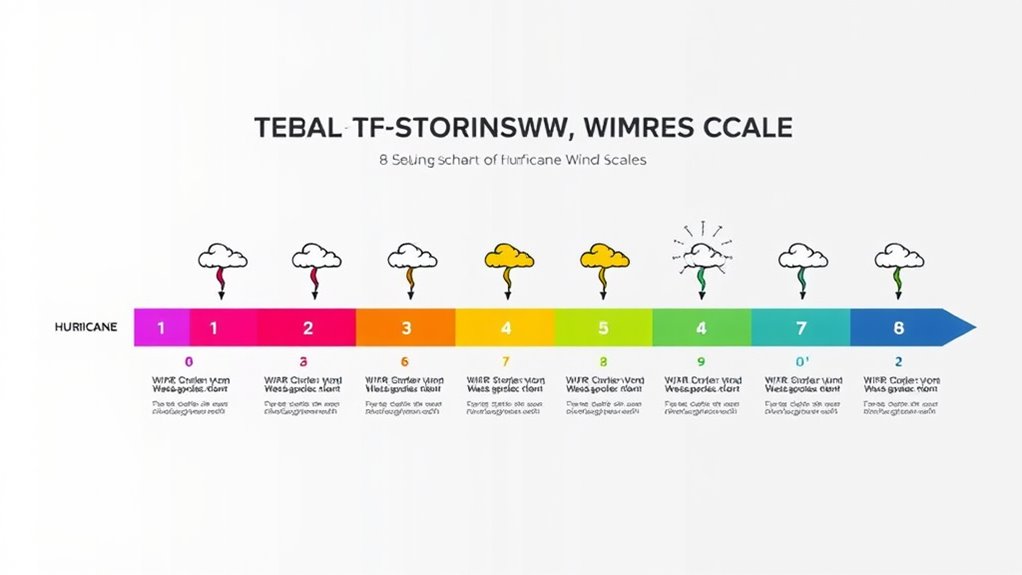
The Saffir-Simpson Hurricane Wind Scale is a widely used system that classifies hurricanes based on their sustained wind speeds. It helps you understand storm severity and aids in storm prediction. By examining historical trends, meteorologists can forecast how hurricanes develop and categorize them accordingly. This scale assigns categories from 1 to 5, with higher categories indicating stronger storms. Understanding these categories allows you to prepare better and respond appropriately during hurricane season. The scale doesn’t just focus on wind speed; it also considers potential damage, giving you a clearer picture of what to expect. Recognizing the importance of this scale helps you stay informed and make safer decisions when storms approach. It’s an essential tool for both storm prediction and understanding hurricane intensity. Additionally, understanding the storm categories can help homeowners and communities develop appropriate emergency plans and mitigation strategies.
As an affiliate, we earn on qualifying purchases.
How Wind Speed Defines Storm Categories
Wind speed is the key factor that determines a storm’s category on the Saffir-Simpson scale. Higher wind speeds indicate increased storm intensity and potential for wind damage. This scale classifies hurricanes from Category 1 to 5 based solely on wind velocity, directly linking speed to severity. Faster winds cause more structural damage and threaten lives. Here’s a quick overview:
| Category | Wind Speed (mph) | Storm Intensity |
|---|---|---|
| 1 | 74-95 | Minimal wind damage |
| 2 | 96-110 | Moderate wind damage |
| 3 | 111-129 | Extensive wind damage |
| 4 | 130-156 | Severe wind damage |
| 5 | 157+ | Catastrophic wind damage |
Understanding wind speed helps you gauge storm strength and potential impact.
storm preparedness emergency kit
As an affiliate, we earn on qualifying purchases.
As an affiliate, we earn on qualifying purchases.
The Role of Storm Surge in Classification

Rising waters from storm surge considerably influence a storm’s potential to cause destruction, often matching or exceeding the damage caused by wind. Storm surge, the abnormal rise in sea level due to a storm’s winds, leads to coastal flooding that can devastate communities. Surge height and extent are critical in classifying storm severity, sometimes prompting adjustments to storm categories based on surge impact. While wind speed determines the basic category, the surge’s reach and destructive power reveal the true threat to coastal areas. High storm surge can flood shores and inland regions, causing long-term damage and loss of life. Recognizing the role of storm surge in classification helps you understand a storm’s full destructive potential beyond just wind strength. Supporting children through divorce can be crucial if a storm impacts a family’s ability to provide stability and emotional support during the crisis.
hurricane wind and flood insurance
As an affiliate, we earn on qualifying purchases.
As an affiliate, we earn on qualifying purchases.
Rainfall and Flooding: When They Matter Most
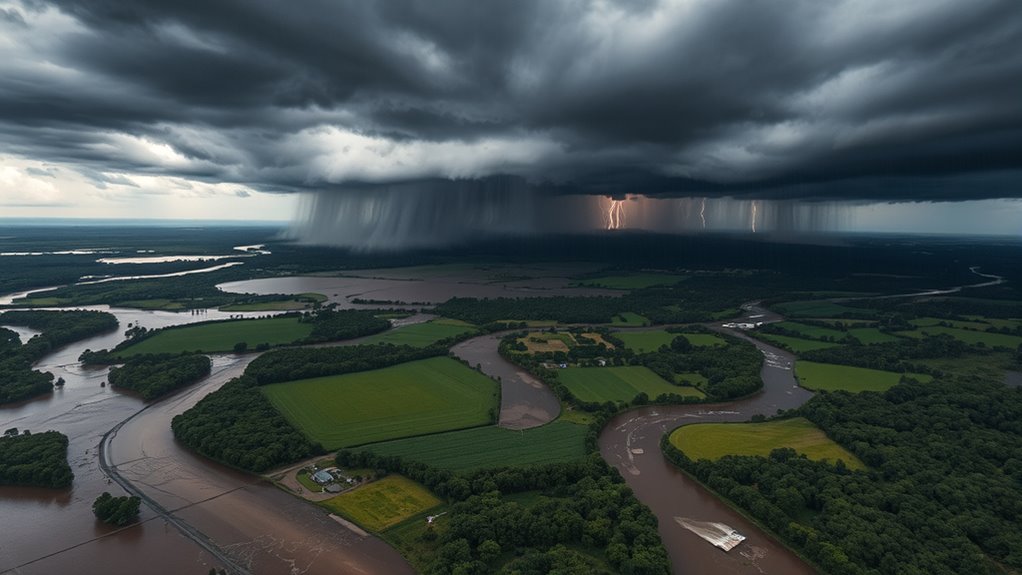
Storm surge height is a key factor in storm classification, but heavy rainfall and resulting flooding often cause the most widespread destruction. When rain intensifies, urban infrastructure struggles to cope, leading to severe flooding that disrupts daily life. Climate change worsens this risk by increasing rainfall amounts and flooding frequency. Here’s how rainfall impacts storm severity:
| Storm Category | Typical Rainfall | Flooding Impact |
|---|---|---|
| Tropical Storm | Moderate | Localized flooding |
| Category 1 | Heavy | Urban flooding risks |
| Category 2 | Very heavy | Widespread flooding |
| Category 3 | Extreme | Major infrastructure damage |
| Category 4 | Catastrophic | Catastrophic flooding |
Heavy rainfall can overwhelm stormwater management systems, leading to dangerous conditions and prolonged disruptions.
The Impact of Storm Size and Duration
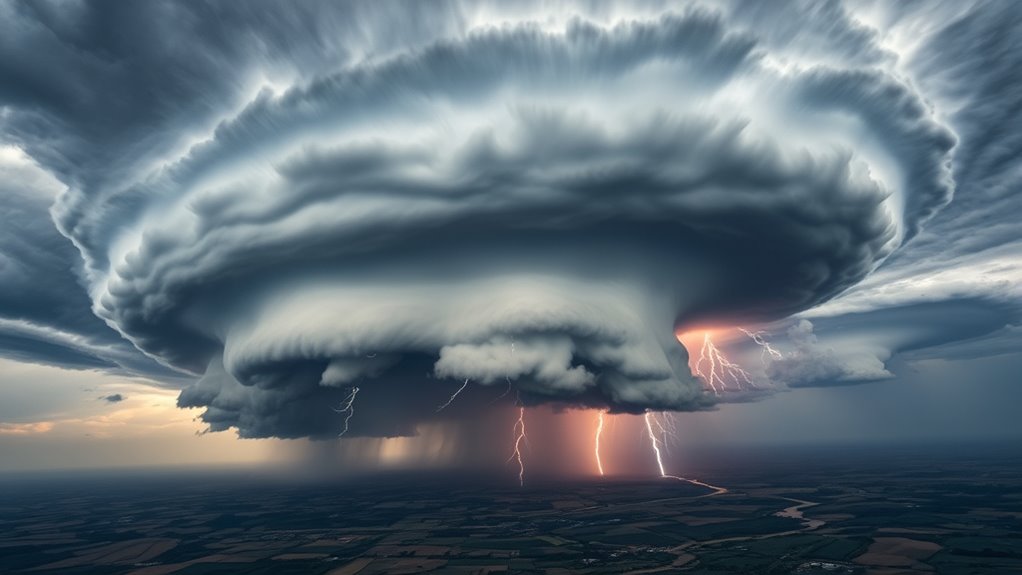
The size and duration of a storm directly influence the damage it can cause. Longer-lasting storms tend to bring more prolonged impacts, while larger storms can affect wider areas. Understanding these factors helps you better prepare for the potential risks associated with different storm types. Additionally, the storm’s intensity plays a crucial role in determining the severity of its effects on communities and infrastructure.
Storm Duration Effects
Ever wondered how the size and duration of a storm can influence its destructive power? Storm duration, or how long a storm lasts, directly impacts its potential for damage. Longer storm longevity means more sustained wind, rain, and flooding, increasing the likelihood of severe effects. A storm with a brief duration might cause limited damage, but a prolonged event can weaken structures, erode landscapes, and flood areas extensively. The length of time that a storm remains active determines how much energy it can transfer to the environment. Keep in mind, it’s not just about how strong a storm is at its peak, but how long it persists that amplifies its overall destructive impact. Understanding storm duration helps you better anticipate the severity of potential damage.
Size and Damage Link
A larger storm generally causes more damage because its size spreads destructive forces over a wider area and often sustains them for longer periods. Storm size directly influences damage potential, as bigger storms can impact more structures and ecosystems simultaneously. When a storm has a vast size, its winds, rain, and storm surges reach farther, increasing the likelihood of widespread destruction. The extended duration of a large storm also amplifies its damage potential, as prolonged exposure to severe conditions weakens buildings and erodes infrastructure. Additionally, the interaction with coastal features like dune systems can influence erosion and damage levels. Keep in mind that size isn’t the only factor—intensity plays a role, but generally, larger storms tend to cause more extensive damage due to their broad reach and sustained impact. Understanding this link helps you better assess risks during storm planning.
Long-Lasting Storms
Long-lasting storms often cause more extensive damage because their prolonged presence allows destructive forces to persist over wide areas. The storm’s size and duration amplify its impact, making storm intensity a key factor. During a long storm, accurate storm tracking becomes essential to anticipate its path and potential effects. Consider these points:
- Extended storms increase the likelihood of flooding due to prolonged rainfall.
- Persistent high winds can cause widespread structural damage.
- Longer storms can lead to power outages over larger regions.
- Continuous storm activity tests emergency response efforts and preparedness.
- The duration of a storm influences the overall resilience required from individuals and communities to withstand and recover from such events.
Recognizing the Limitations of Category Ratings
While category ratings provide a useful general idea of storm strength, they often fall short in capturing the full picture. Storm intensity isn’t solely determined by wind speed; factors like storm size, rainfall, and storm surge also play vital roles in potential damage. Relying only on category ratings can lead you to underestimate wind damage risks or overlook other dangerous aspects. For example, a lower-category storm might still cause significant flooding or wind damage if it’s large or slow-moving. Recognizing these limitations helps you understand that category ratings are a guideline, not a complete assessment. Always consider local conditions and additional forecasts to better prepare for the actual impact of a storm, rather than relying solely on its category. Additionally, understanding storm structure can offer deeper insights into the potential hazards beyond the basic category.
Preparing Based on Storm Category: What You Need to Know
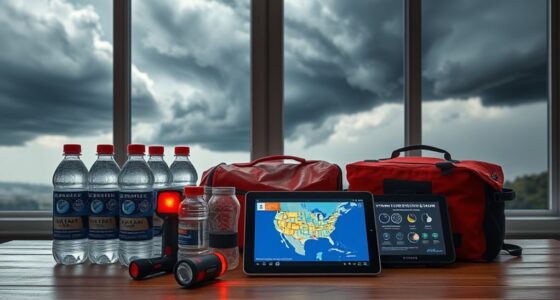
Your storm preparedness depends on understanding its category and potential impact. You should plan evacuation routes, choose the safest shelter, and pack an emergency supply kit tailored to the storm’s strength. Being informed guarantees you’re ready to act quickly and stay safe. Additionally, familiarize yourself with the headphone jacks available on communication devices to ensure clear and reliable contact during emergencies.
Evacuation Planning Strategies
Understanding how to plan for evacuations based on storm categories is essential for safety. Your strategy should consider evacuation zones, shelter capacity, and storm severity. Here are key steps:
- Know your evacuation zones and determine if you’re in a high-risk area.
- Plan your route ahead of time, avoiding flooded or blocked roads.
- Identify shelters with sufficient capacity to accommodate your household.
- Prepare an emergency kit and ensure your transportation options are ready.
- Regularly review your appliance maintenance plans to ensure safety during power outages and storms.
Shelter Selection Tips
Choosing the right shelter depends on your storm’s category and severity. Start by evaluating storm shelter types available in your area, such as basements, interior rooms, or designated storm shelters. Your shelter location should be easily accessible and away from windows, exterior walls, and potential flood zones. For higher-category storms, consider reinforced or specially designated storm shelters built to withstand strong winds and flying debris. Ensure your shelter is stocked with essentials and clearly marked. If you have a basement, verify its structural integrity and accessibility. For those without basements, identify the safest interior room on the lowest floor, ideally without windows. Planning ahead ensures quick, safe sheltering when storms intensify. Additionally, choosing a storm shelter with proper construction can provide better protection during severe weather. Your shelter choice plays a critical role in protecting you during severe weather.
Emergency Supply Checklist
Preparing an emergency supply kit tailored to your storm’s category is essential for safety and peace of mind. Your emergency kit should include supply essentials that address your specific needs. Here are four key items to prioritize:
- Non-perishable food and water for at least three days
- First aid supplies, including medications and bandages
- Flashlights, extra batteries, and a battery-powered radio
- Personal hygiene items and important documents stored in a waterproof container
Frequently Asked Questions
How Accurate Are Storm Categories in Predicting Actual Storm Damage?
Storm category accuracy can be helpful but isn’t foolproof for damage prediction. While higher categories often mean more severe storms, they don’t account for factors like storm size, speed, or rainfall, which also influence damage. You should remember that a lower category storm can still cause significant destruction. Always prepare for the worst, regardless of the storm’s category, since actual damage depends on many variables beyond the storm’s classification.
Can a Storm Change Categories During Its Lifecycle?
Yes, storms can dramatically change categories during their lifecycle, sometimes escalating from a tropical depression to a monster hurricane or weakening just as quickly. Storm intensity fluctuates as it crosses category thresholds, making it feel like a rollercoaster of chaos. These shifts happen because of shifting wind speeds, water temperatures, and atmospheric conditions, which keep storm classifications in constant flux, transforming them into unpredictable, powerful forces of nature.
Are Storm Categories Useful for Long-Term Weather Planning?
Storm categories can be useful for long-term weather planning because they help you assess potential risks and prepare accordingly. Using storm tracking technology, meteorologists monitor storms closely, and storm naming conventions make it easier to communicate about specific storms over time. While categories give a general idea of storm strength, remember that storm behavior can change, so staying updated with current tracking info is vital for effective planning.
How Do Storm Categories Relate to Tornado or Flood Risks?
You might wonder how storm categories connect to tornado or flood risks. Storm intensity, measured by category thresholds, indicates potential damage but doesn’t directly predict tornadoes or floods. A high category storm can spawn tornadoes or cause flooding, yet weaker storms sometimes bring severe weather. Stay alert, because understanding these categories helps you gauge risks, but always prepare for unpredictable threats that can strike regardless of category.
Do Storm Categories Consider Climate Change Impacts on Storm Strength?
Storm categories don’t fully account for climate change impacts on storm strength. As climate change accelerates, it influences storm intensity, making storms potentially more severe than historical categories suggest. You should stay aware that increasing global temperatures can lead to stronger storms, which might surpass traditional category thresholds. This means that even a lower category storm could pose significant risks, emphasizing the need for updated planning and caution amid changing climate conditions.
Conclusion
Remember, storm categories are like signposts on a journey—they guide you but don’t tell the whole story. A hurricane’s true power lies in its unseen force, much like the storm’s silent fury beneath the surface. By understanding these rules, you hold the key to your safety, steering clear of danger’s shadow. Stay vigilant, respect the storm’s symbolism of nature’s might, and always prepare as if the storm’s true strength is yet to be revealed.