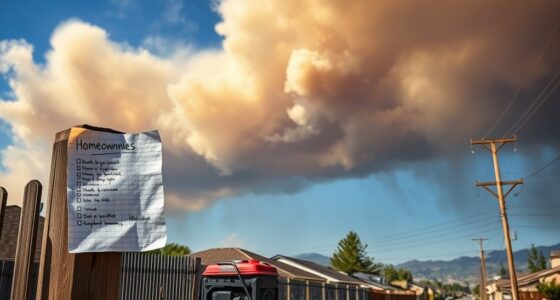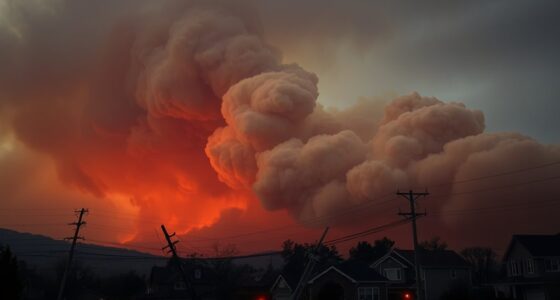
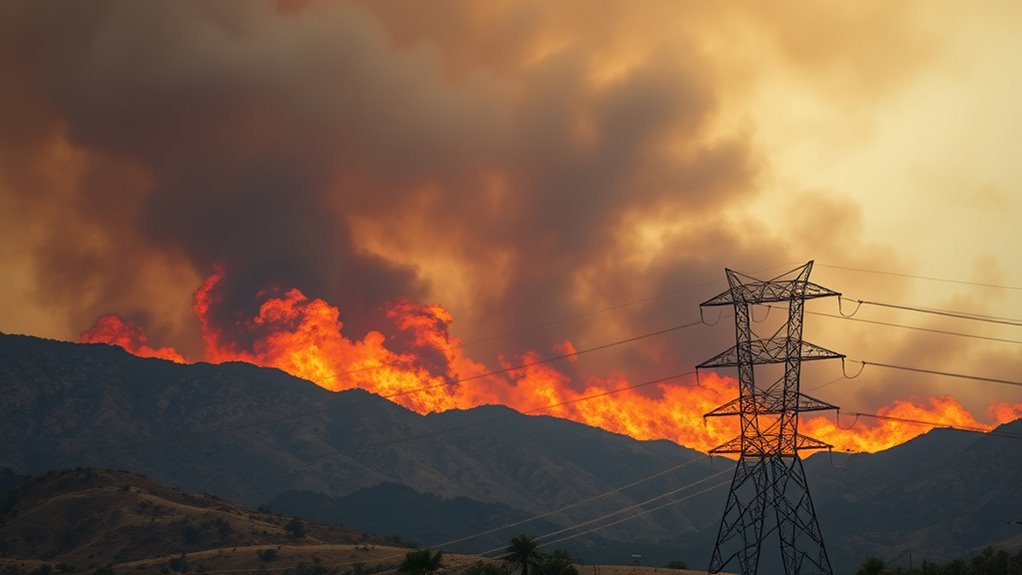
Wildfires threaten power systems by causing physical damage, smoke contamination, and outages that disrupt your daily life. Smoke particles settle on electrical components, degrading insulation and leading to shorts or failures. Utility companies often shut off power preemptively to prevent fires, especially during high-risk seasons. To stay safe, it’s essential to understand how wildfire smoke can impact your electrical system and what steps you can take. Keep exploring for detailed strategies to protect yourself and your home.
Key Takeaways
- Wildfire smoke deposits fine particles on electrical components, causing insulation degradation and increasing risk of outages.
- Smoke contamination can lead to corrosion, shorts, and equipment failure in power infrastructure.
- Utility companies often shut down power (PSPS) during wildfires to prevent sparks and protect communities.
- Smoke and debris buildup can trigger faults, tripping circuit breakers and causing outages.
- Preparedness includes installing protective devices, maintaining infrastructure, and staying informed during wildfire seasons.
How Wildfires Affect Power Infrastructure
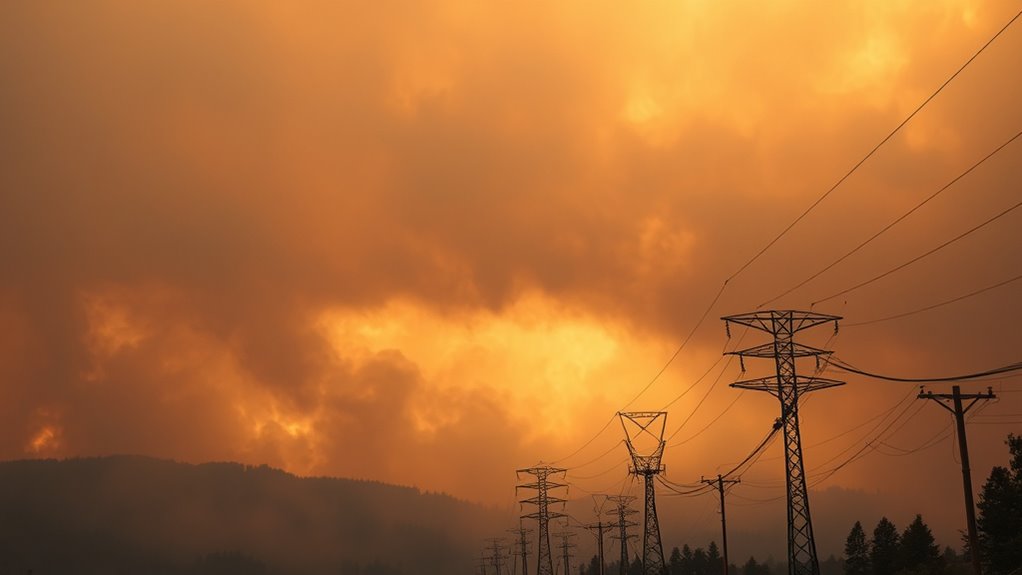
Wildfires can quickly damage power infrastructure by burning vegetation and structures near power lines and equipment. This damage often leads to outages and costly repairs. To combat this, utilities are increasingly using fire resistant materials and constructing wildfire resistant infrastructure. These materials, like insulated conductors and fireproof coatings, help prevent electrical fires and reduce the risk of damage during a wildfire. Additionally, wildfire resistant infrastructure includes features such as elevated power lines, firebreaks, and protective barriers that minimize contact with flammable vegetation. Implementing these measures is vital for maintaining reliable power supply during wildfire events. By reinforcing infrastructure with fire-resistant techniques, utilities can better protect their systems from the destructive forces of wildfires and ensure quicker recovery afterward. Incorporating power banks for camping and other portable power solutions can also provide backup during outages, ensuring essential devices remain operational.
The Connection Between Smoke and Electrical Systems
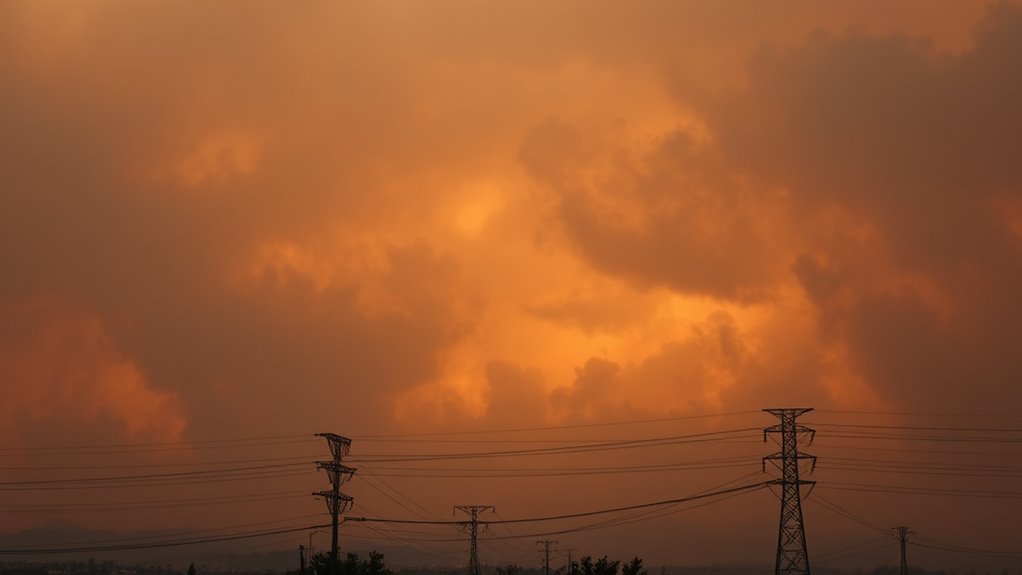
Wildfire smoke can cause serious problems for your electrical systems by damaging components and contaminating power lines. This buildup increases the risk of short circuits, which can lead to outages or fires. Understanding these connections helps you stay prepared and protect your electrical infrastructure. Proper maintenance and awareness of industry trends can further minimize risks during wildfire season.
Smoke Damage to Components
Smoke from wildfires can quickly cause significant damage to electrical components, even if they appear untouched at first glance. The fine particles settle on surfaces, leading to degraded electrical insulation that can disrupt current flow. Over time, these particles also promote component corrosion, weakening metal connections and increasing the risk of failure. Smoke residue can insidiously infiltrate switches, circuit boards, and transformers, causing insulation breakdowns that aren’t immediately visible. This damage compromises the reliability of your electrical system and can lead to costly repairs or outages. Recognizing the impact of smoke on components underscores the importance of thorough inspection and maintenance after wildfire events. Additionally, preventive measures such as proper sealing and regular cleaning can help protect your electrical systems from smoke infiltration and damage. Protecting your electrical systems from smoke damage helps ensure continued safety and functionality during wildfire season.
Contamination of Power Lines
When smoke from wildfires settles on power lines, it creates a thin layer of particulate matter that can quickly lead to contamination. This power line contamination occurs as wildfire debris, including ash and soot, accumulates on the surfaces of electrical components. Over time, this buildup can interfere with the insulation and conductive parts, increasing the risk of electrical faults. The wildfire debris can also attract moisture, further degrading the integrity of the system. Contaminated power lines become more vulnerable to shorts and disruptions, which can lead to outages or damage to equipment. Regular maintenance and inspections help manage this contamination, but the presence of wildfire debris considerably raises the chances of power system issues during and after wildfire events. Additionally, diverse designs of electrical components and protective measures can help mitigate the impact of contamination.
Short Circuits Risks
As wildfire debris accumulates on power lines, it creates a conductive path that considerably increases the risk of short circuits. Smoke particles and ash settle on electrical components, making circuits more vulnerable to unexpected sparks. These short circuits can lead to electrical fires, damaging equipment and causing outages. Circuit vulnerabilities worsen when insulation is compromised or corrosion occurs due to wildfire debris. When moisture combines with smoke residue, it creates additional conductive pathways, heightening the risk. Power lines and transformers become more prone to failure, risking safety and reliability. Recognizing these risks helps you understand why wildfire smoke isn’t just a health concern but also a serious threat to your electrical system’s stability. Vigilance and proper maintenance are key to preventing dangerous short circuits during wildfire seasons. Additionally, understanding the role of preventive measures can significantly reduce the likelihood of electrical failures caused by wildfire smoke.
Why Power Outages Happen During Wildfire Seasons
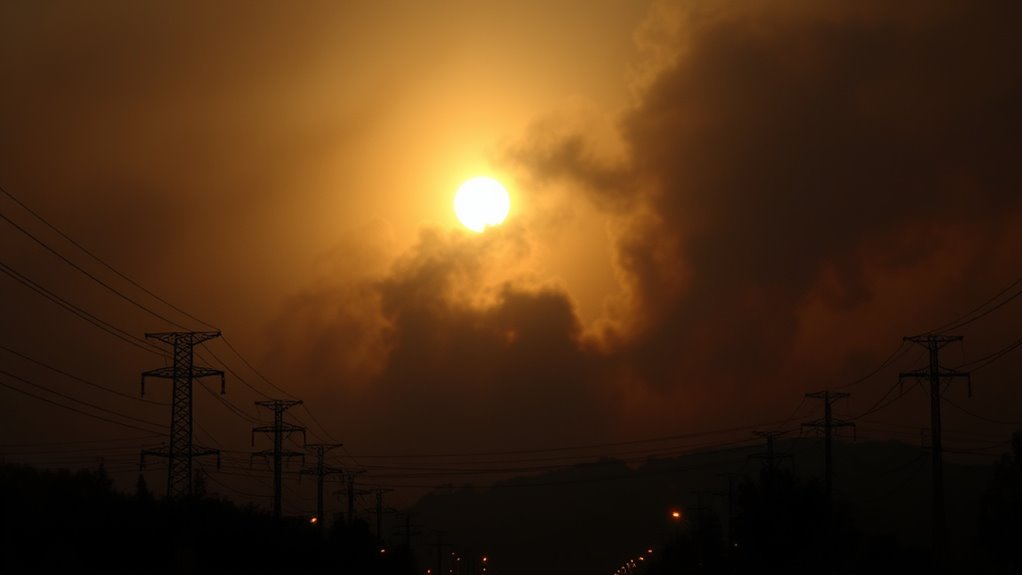
During wildfire seasons, power outages become more frequent because utility companies proactively shut down or reduce electricity supply to prevent fires caused by damaged lines or electrical faults. This process, called public safety power shutoff (PSPS), aims to protect communities. Here’s why outages happen:
- Fire prevention: Utilities cut power to minimize the risk of sparks igniting dry vegetation.
- Damaged infrastructure: High winds or falling branches can damage lines, prompting shutdowns.
- Electrical faults: Overloaded or faulty equipment during fires can cause faults, leading to outages.
- Evacuation planning: Power reductions ensure safety during evacuations, avoiding electrical hazards.
- Security measures: Implementing security systems can help protect homes and property during outages, providing peace of mind for residents.
These measures might disrupt your daily routine but are crucial for community safety during wildfire seasons.
The Role of Pollution and Particulates in Power Disruptions
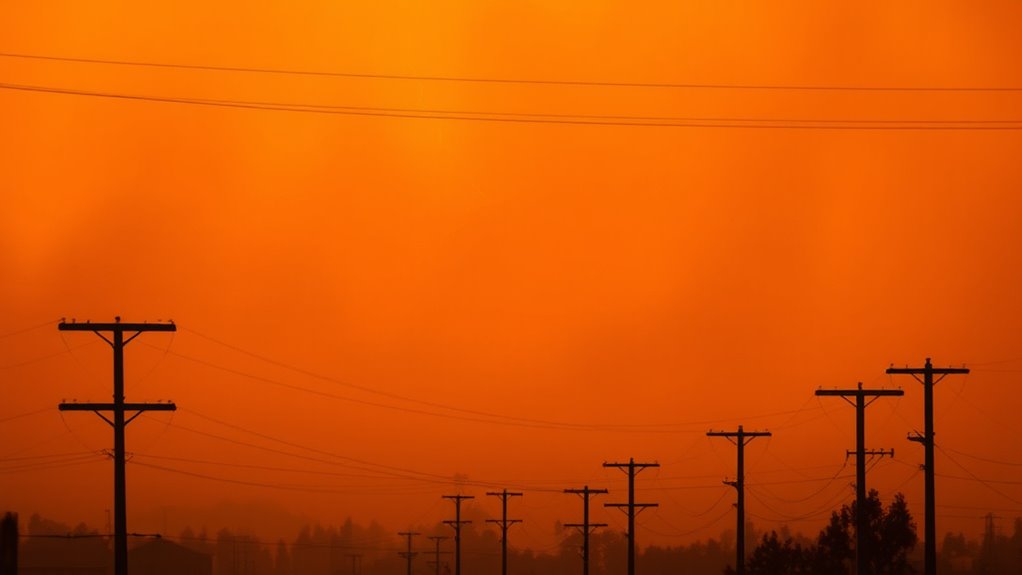
Pollution and airborne particulates substantially impact power reliability, especially during wildfire seasons. When wildfire smoke fills the air, it worsens air quality by increasing levels of particulate matter. These tiny particles can infiltrate power infrastructure, such as transformers, insulators, and electrical lines. Particulate matter accumulates on sensitive equipment, causing overheating or short circuits. Poor air quality also affects maintenance crews, delaying repairs and inspections, which prolongs outages. Additionally, high levels of pollution can lead to the deactivation of pollution control devices in power plants, reducing efficiency or causing shutdowns. The presence of color accuracy issues can also impair the ability of sensors and monitoring equipment to function correctly, further complicating maintenance efforts. Overall, increased pollution and particulates during wildfires pose a significant threat to consistent power delivery by damaging equipment and complicating maintenance efforts, making wildfire seasons especially challenging for power reliability.
Common Types of Power Failures Caused by Wildfire Smoke
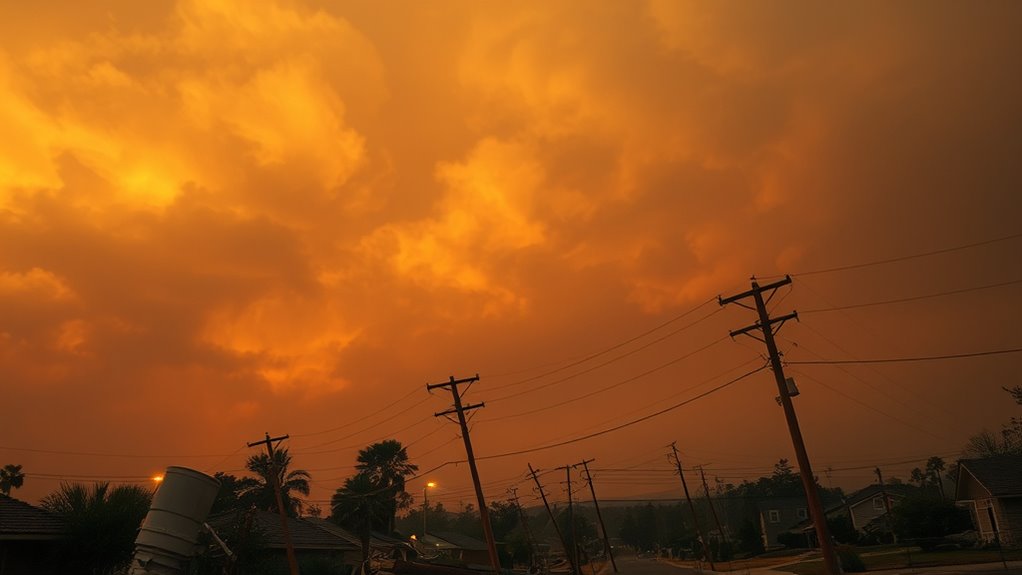
Wildfire smoke can cause several common power failures that disrupt electrical service. One major issue is electrical fires, which can start when hot smoke ignites wiring or equipment. Smoke corrosion also plays a role, as the soot and moisture settle on contacts, leading to poor connections. Additionally, these failures include:
- Short circuits caused by soot buildup on circuit boards
- Tripped circuit breakers from overloaded or compromised wiring
- Equipment malfunctions due to smoke-induced corrosion
- Power outages resulting from damage to transmission lines or substations
These issues compromise system reliability and safety, often requiring inspections and repairs. Recognizing these failure types helps you understand how wildfire smoke impacts your electrical infrastructure, emphasizing the importance of maintenance and safety protocols during wildfire season.
How Utility Companies Respond to Wildfire-Related Outages
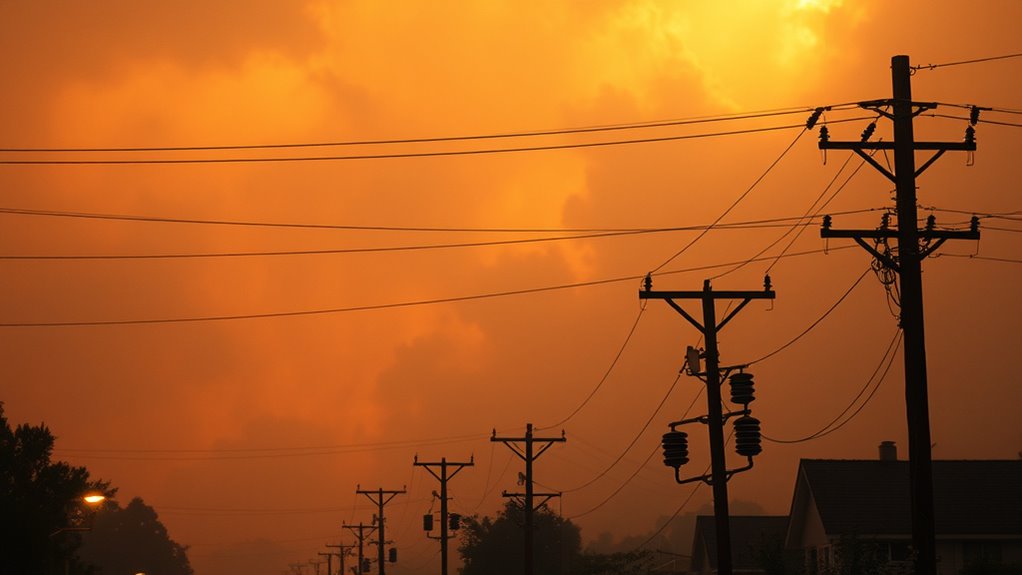
When wildfire smoke causes power failures, utility companies step in with a range of response strategies to restore service and prevent further damage. They prioritize safety by coordinating with emergency services and following firefighter protocols to assess risks before working on damaged lines or equipment. Crews work quickly to inspect affected areas, clear debris, and repair or replace downed power lines. During this process, utility companies document damages carefully to support insurance claims and streamline recovery. They also implement preventive measures like rerouting power or temporarily shutting off lines to reduce fire risk. Additionally, utility companies often utilize backup power systems to maintain essential services during outages. Throughout this process, communication with the public remains key, providing updates on restoration times and safety precautions. These coordinated efforts aim to restore power swiftly while minimizing fire hazards and ensuring safety for everyone involved.
Tips for Staying Prepared During Wildfire Season
Preparing for wildfire season is essential to protect yourself and your property. Being proactive helps guarantee your safety and minimizes damage. Here are four tips to stay prepared:
- Develop a clear evacuation plan, including multiple routes and a designated meeting spot.
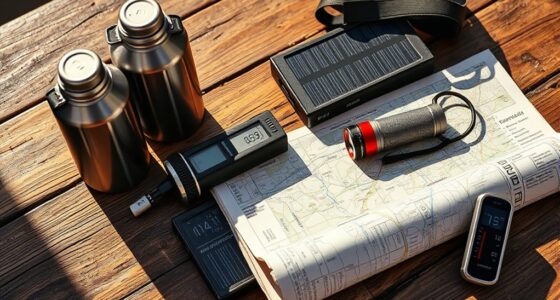
- Keep an emergency kit ready with essentials like water, masks, flashlights, and important documents.
- Stay informed by monitoring local alerts and fire safety updates through trusted sources.
- Practice evacuation drills regularly so everyone understands their role and knows what to do.
- Consider how home safety measures can reduce fire risk and improve your preparedness.
Protecting Your Home and Devices From Power Fluctuations
Power fluctuations during wildfire events can damage your home’s electronics and appliances, so it’s important to take proactive steps to protect them. Start by installing surge protectors on your main electrical panel and individual devices, preventing voltage spikes from causing costly damage. Enhancing your home insulation can also help stabilize indoor temperature and reduce strain on your electrical system during outages. Additionally, consider installing lightning protection systems, which can safeguard your home from lightning strikes that often accompany wildfire conditions and can cause power surges. Regularly inspecting and maintaining these systems assures they function properly when needed. Implementing digital literacy and critical thinking skills can also help you make informed decisions about safety and technology use during emergencies. Taking these precautions helps preserve your devices and maintains your home’s safety during unpredictable power fluctuations caused by wildfires.
Future Technologies and Strategies to Reduce Wildfire-Related Power Risks
Emerging technologies like smart grids are transforming how we manage power during wildfires, offering faster responses and better control. Integrating renewable energy sources can reduce reliance on vulnerable infrastructure and enhance resilience. These strategies aim to safeguard your power supply while supporting a sustainable future.
Smart Grid Innovations
As wildfire risks continue to threaten electrical infrastructure, smart grid technologies are advancing to enhance resilience and safety. These innovations help detect hazards early and respond swiftly, reducing power outage durations. Here are four key strategies:
- Automated fault detection and isolation to prevent wildfire spread.
- Real-time weather monitoring integrated into grid management.
- Adaptive switching systems that reroute power away from high-risk areas.
- Enhanced communication networks for faster response and coordination.
Renewable Energy Integration
Integrating renewable energy sources into the grid offers promising strategies to mitigate wildfire-related power risks. Renewable integration allows you to diversify energy sources, reducing reliance on vulnerable, wildfire-prone infrastructure. Grid modernization plays a vital role by upgrading systems to handle distributed generation and improve resilience. Advanced technologies like smart inverters and energy storage enable quicker responses to outages and disturbances caused by wildfires. These strategies help prevent widespread blackouts by balancing supply and demand even when parts of the grid are compromised. As you adopt renewable energy solutions, you contribute to a more adaptable, resilient grid that’s better equipped to withstand wildfire disruptions. Embracing renewable integration and grid modernization ultimately reduces wildfire-related power risks, safeguarding your community’s energy security.
Frequently Asked Questions
How Long Do Power Outages Typically Last During Wildfires?
Power outages during wildfires can last anywhere from a few hours to several days, depending on the severity and outage variability. Duration estimates are difficult because factors like fire spread, infrastructure damage, and restoration efforts play a big role. You should prepare for potential extended outages, especially during severe wildfires, by having supplies ready and staying informed through local updates. Always prioritize safety and patience during restoration periods.
Can Wildfire Smoke Damage Generators or Backup Power Systems?
Wildfire smoke can damage generators and backup power systems if you don’t perform proper generator maintenance. Smoke particles can clog filters and reduce efficiency, so regular smoke filtration helps keep your system running smoothly. Prolonged exposure to smoke may cause corrosion or other damage, so it’s crucial to inspect and clean your generator often, especially during wildfire season. Proper maintenance ensures your backup power stays reliable when you need it most.
What Are the Health Risks From Smoke-Related Power Outages?
Smoke-related power outages threaten your well-being like a silent storm cloud looming overhead. You risk impairing your respiratory health, making breathing harder and increasing infection chances. The mental health effects can be equally draining, fostering anxiety and helplessness as darkness persists. These risks underscore the importance of preparing, staying informed, and taking steps to minimize exposure, so you can protect both your body and mind when darkness and smoke threaten your daily life.
Do All Wildfires Lead to Power Disruptions in Nearby Areas?
Not all wildfires cause power disruptions nearby. The likelihood depends on fire severity and proximity effects. If a wildfire is intense and close, utility companies may shut off power to prevent damage or hazards. However, if the fire is less severe or farther away, power lines often remain unaffected. Always stay informed about local alerts, as proximity effects can change quickly during wildfire events.
Are There Government Assistance Programs for Wildfire-Related Power Outages?
Yes, there are government assistance programs for wildfire-related power outages that can save your life—well, almost! You might qualify for federal aid to cover emergency costs, and some utilities offer rebates to help you recover faster. These programs are designed to shield you from the chaos, ensuring you get back on your feet quickly. Don’t wait—check with local agencies and utility companies to tap into these essential resources now!
Conclusion
As wildfire smoke drifts through the air like an uninvited shadow, understanding its impact on power can help you stay resilient. Think of your home as a fortress, weathering the storm of smoke and outages. By staying prepared and informed, you become the steady lighthouse guiding you safely through turbulent times. Remember, while nature’s chaos may swirl around you, your readiness can illuminate a path to safety amid the smoky darkness.