
TL;DR

Get backup power and energy gear delivered free with Prime
- Fast, free delivery on millions of items
- Prime Video, Amazon Music and more included
- Member-only deals all year
A Green Building Advisor article published Oct. 23, 2026, argues that healthy-home decisions should include the health and safety of construction workers, not only residents. It calls for designers to consider material handling, exposure to dust and vapors, and the practical demands of installation, but does not report a new policy, injury case, or industry-wide change.
A Green Building Advisor article published Oct. 23 argues that healthy-home design should account for the workers who install building materials, as well as the people who live in the finished house. The report says choices about products and construction details can affect installers’ exposure to dust and vapors and the safety and practicality of their work.
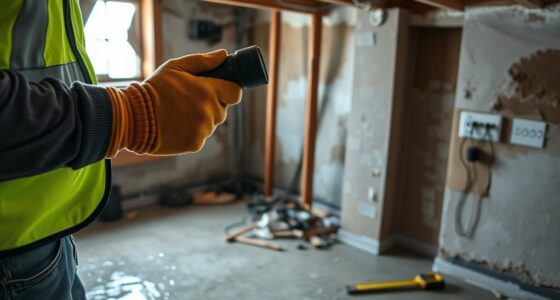
In the article for the Pretty Good House Blog, author Emily Mottram says discussions of healthy housing often focus on ventilation, moisture control, low-emission finishes and residents’ indoor air. She argues that those conversations should also ask what it takes for tradespeople to install the specified materials. Workers may cut siding, mix adhesives, spray insulation or sand floors, activities that can bring them into contact with dust or vapors.
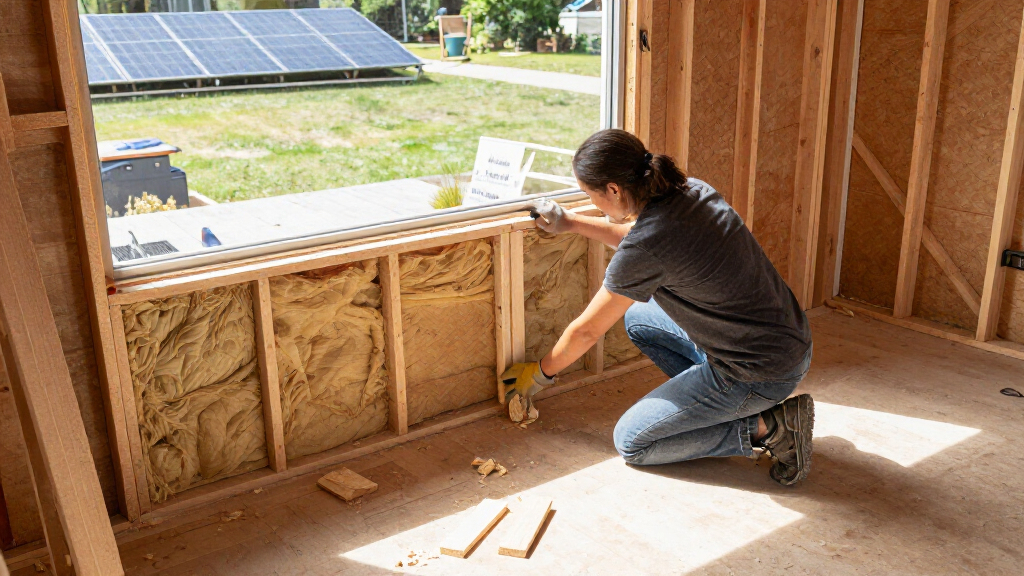
Mottram also points to the physical conditions created by a design. A crawlspace that appears manageable on a drawing may be difficult to work in, and installation work can risk damaging a vapor barrier if access and movement have not been considered. The article frames these concerns as part of evaluating a building’s performance, alongside durability, cost and indoor air quality.
The piece is an argument for asking questions earlier in design and specification, not a report of a new regulation or a particular construction injury. It does not identify a product recall, quantify worker exposures or set out a formal safety standard. Its central recommendation is to weigh the effects of material choices and installation requirements on workers before those choices reach a job site.
Design Choices Affect Installers
For homeowners and design teams, the argument widens what the phrase “healthy house” can mean. A product selected for its performance in an occupied home may still involve handling, cutting, mixing, spraying or sanding during construction. Looking only at the finished building can leave those work conditions outside the project’s definition of health.
Considering installers may also help teams identify practical problems before construction. Access, working space and the sequence of installation can affect how safely and reliably materials are fitted. Mottram’s point is not that every material presents the same risk, or that one design choice solves all hazards; it is that worker health deserves attention when products and assemblies are selected.
The stakes reach beyond individual projects because building professionals make these decisions repeatedly. Asking about exposure and installation demands as part of normal specification work could make worker considerations a routine part of high-performance housing discussions. The article, however, does not provide evidence about how widely such practices are already used or measure any resulting health outcomes.
construction worker respirator for dust and vapors
As an affiliate, we earn on qualifying purchases.
As an affiliate, we earn on qualifying purchases.
The Pretty Good House Approach
The report appears as part of Green Building Advisor’s Pretty Good House blog. The article describes that concept as a way to keep questioning how high performance should be judged, rather than relying on individual metrics alone. Mottram applies that approach to the people who build a home, extending the discussion beyond the residents who benefit from the completed structure.
The source also notes that stories of workers becoming sick or developing a reaction can prompt attention to a material, but argues that a serious incident should not be necessary before designers ask questions. The article does not recount a specific case. Its emphasis is preventive: consider worker health during planning and specification, rather than waiting for harm to draw attention to an issue.
“But first, somebody must build it.”
— Emily Mottram, writing for Green Building Advisor’s Pretty Good House Blog
reusable safety goggles for construction dust
As an affiliate, we earn on qualifying purchases.
As an affiliate, we earn on qualifying purchases.
Evidence and Practical Steps
The article does not specify which materials or tasks pose the greatest risks, provide exposure data, or recommend a particular set of protective measures. It also does not describe a construction project where the proposed approach has been tested, or establish how designers and builders should compare worker health with other project constraints.
There is no reported policy change, industry agreement or new safety requirement in the source. The extent to which current design and specification practices account for installers’ health is also not documented. The article presents a case for broader consideration, while leaving detailed standards and evidence beyond its scope.
construction site hearing protection earmuffs
As an affiliate, we earn on qualifying purchases.
As an affiliate, we earn on qualifying purchases.
Questions for Project Teams
The article does not announce a scheduled next step or a formal program. Its proposed direction is for designers and builders to include worker health when selecting materials and planning assemblies. In practice, project teams can use that prompt to ask how products are handled and installed, what exposures may occur during the work, and whether the design gives crews workable access.
Further reporting or guidance would be needed to establish specific benchmarks, compare products or document outcomes. For now, the development is a call to expand the healthy-home conversation, rather than a change in code or a confirmed shift across the building industry.
crawl space work protective coveralls knee pads
As an affiliate, we earn on qualifying purchases.
As an affiliate, we earn on qualifying purchases.
Key Questions
What is the report about?
It argues that healthy-home design should consider the health and safety of construction workers who handle and install building materials, in addition to conditions for future residents.
Who wrote the article, and when was it published?
Emily Mottram wrote the piece for Green Building Advisor’s Pretty Good House Blog. The supplied source dates it October 23, 2026.
Does the article report a new injury or safety rule?
No. The source does not report a specific injury, new regulation or industry-wide policy change. It makes a case for considering worker health during design and material selection.
What construction concerns does it raise?
It mentions workers cutting siding, mixing adhesive, spraying insulation and sanding floors, as well as potential exposure to dust or vapors. It also raises practical issues such as working in confined spaces and avoiding damage to a vapor barrier during installation.
What remains unknown?
The article does not quantify exposure, identify the highest-risk products, prescribe a safety checklist or show how common current worker-focused design practices are. It calls for attention to the issue but does not set out formal standards.
Source: rss
Fall Picks
fall essentials
As an affiliate, we earn on qualifying purchases.