Many people believe wildfire smoke only impacts outdoor air or that masks, especially cloth ones, offer full protection. They assume ventilation systems are safe or that power outages are always quick fixes. Overlooking the health risks of short-term smoke exposure and relying solely on backup generators can be dangerous. You might forget to stock emergency supplies or underestimate how long power and cell service may be unreliable. Stay tuned to learn how to truly prepare for these risks.
Key Takeaways
- Closing windows alone doesn’t prevent wildfire smoke from entering; proper filtration and sealing are essential.
- Ventilation systems with filters may circulate harmful particles if not properly maintained or equipped with HEPA filters.
- Masks, especially cloth or surgical types, offer minimal protection; fit and filter quality are crucial for effectiveness.
- Power outages last longer than expected, so relying solely on backup generators without proper planning can leave you unprotected.
- Emergency lighting and communication plans are vital, as cell service and power can be disrupted for extended periods.
Believing Wildfire Smoke Only Affects Outdoor Air Quality
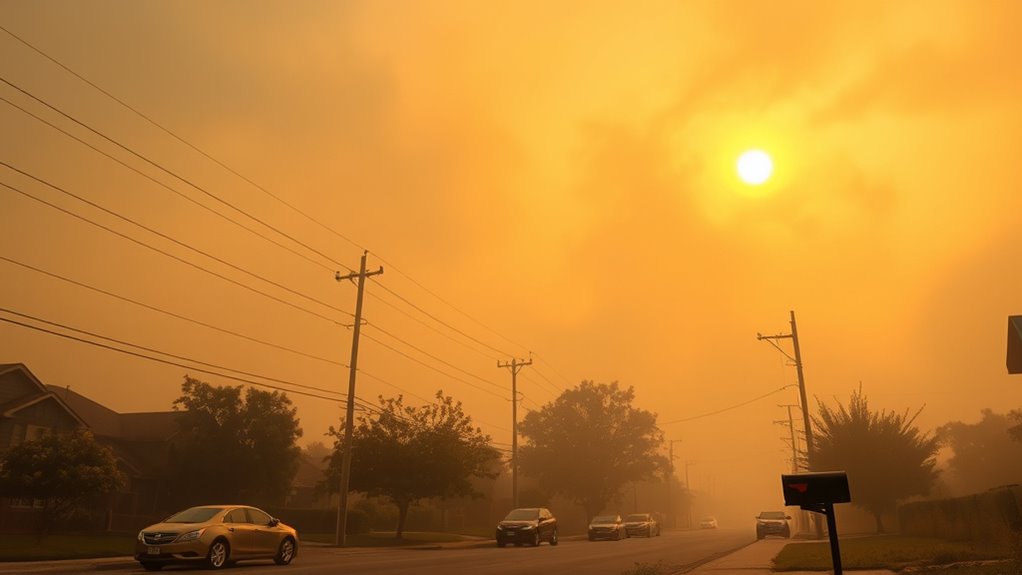
Many people assume wildfire smoke only affects the air outside, but in reality, it can have serious indoor health impacts as well. When outdoor pollutants from smoke enter your home, they degrade indoor air quality, exposing you to harmful particles even indoors. Smoke particles can seep through open windows, doors, or tiny cracks, making indoor spaces just as vulnerable as outdoor environments. Poor indoor air quality can cause respiratory issues, aggravate allergies, and lead to long-term health problems. Simply closing windows isn’t enough; smoke particles can linger inside, especially if ventilation systems aren’t equipped with proper filters. Recognizing that wildfire smoke impacts indoor air quality helps you take essential steps to protect yourself and your loved ones, no matter where you are. Additionally, understanding the importance of air filtration and ventilation can significantly reduce indoor exposure to harmful particles.
Thinking Masks Provide Complete Protection From Smoke
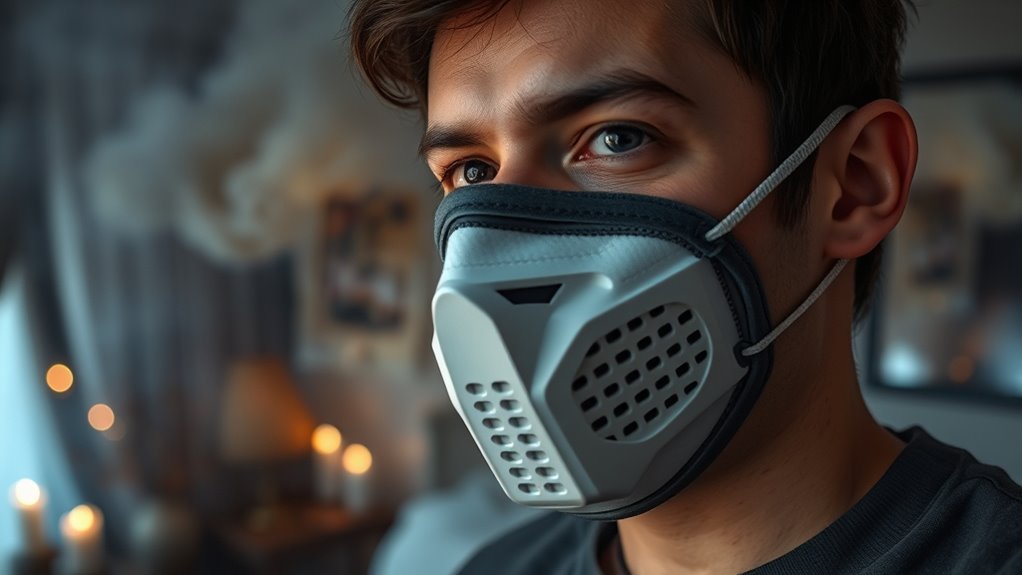
While wearing a mask can help reduce your exposure to wildfire smoke, it doesn’t offer complete protection. Many people have mask misconceptions, believing a simple face covering is enough. However, masks have protection limitations, especially with high smoke levels. Not all masks filter out harmful particles effectively. N95 respirators offer better protection, but improper fit reduces their effectiveness. Cloth masks and surgical masks provide minimal defense. Keep in mind, even the best mask can’t block all harmful pollutants. Additionally, proper mask fit is essential for maximizing protection and avoiding gaps that let pollutants in.
Assuming Ventilation Systems Are Safe During Wildfire Events
Many assume their ventilation system keeps indoor air safe during wildfires, but filters may not block all harmful particles. Risks include compromised systems pulling in smoke or outdoor pollutants, which can worsen indoor air quality. You need to understand how effective your filters are and when to turn off your system to protect your health. Additionally, HEPA filtration is essential for capturing small particles, but not all systems are equipped with this technology, making it crucial to evaluate your air purifier’s capabilities.
Filter Effectiveness Concerns
Even if your ventilation system claims to be safe during wildfire events, it’s important to question whether its filters are truly effective at blocking harmful smoke particles. Smoke particle size varies, and many filters may not capture the smallest, most dangerous particles without proper air filter maintenance. If filters aren’t rated correctly, you might be unknowingly allowing fine particles to circulate indoors. To visualize this, consider:
- Tiny smoke particles slipping through gaps in poorly maintained filters
- Dust and debris clogging filter media, reducing efficiency
- Inadequate filter ratings that don’t trap the smallest particles
- Over time, buildup decreasing overall filtration effectiveness
- The importance of filter ratings in ensuring your system effectively blocks harmful particles
Understanding smoke particle size and maintaining your filters ensures your system works as intended. Proper air filter maintenance is vital for reducing indoor smoke exposure during wildfire events.
Ventilation System Risks
Ventilation systems are often trusted to keep indoor air fresh during wildfire events, but assuming they are completely safe can be risky. Poor ventilation maintenance can lead to the buildup of smoke particles inside your home, especially if filters aren’t replaced regularly. Air filtration systems play a critical role, but only if they’re functioning properly and designed for wildfire smoke. Relying solely on ventilation without ensuring your system is well-maintained might circulate harmful particles instead of removing them. It’s important to use appropriate filters rated for wildfire smoke to maximize protection. Proper ventilation can help, but only when your system is in good shape and equipped with effective air filtration. Don’t assume safety—inspect and maintain your ventilation systems proactively.
Indoor Air Quality
While maintaining your ventilation system is vital, assuming it guarantees healthy indoor air during wildfire events can be misleading. Wildfire smoke can infiltrate your home, affecting indoor air quality despite ventilation efforts. To improve indoor filtration, consider upgrading filters and sealing gaps around windows and doors. Proper air circulation helps disperse pollutants, but without effective filtration, smoke particles can linger. Think of these visuals:
- Dusty, smoky haze seeping through cracks
- Air purifiers working overtime to clean polluted air
- Filters capturing tiny ash particles in HVAC systems
- Fresh air entering through sealed, well-maintained vents
Enhanced safety measures include implementing robust safety measures, which are essential in addressing vulnerabilities and reducing the infiltration of harmful particles during wildfire events.
Underestimating the Health Risks of Short-Term Smoke Exposure
You might think short-term smoke exposure isn’t a big deal, but it can cause immediate breathing problems and worsen existing conditions. Vulnerable groups like children, seniors, and those with health issues are at higher risk. Even brief exposure can lead to long-term health effects if you’re not careful. Proper understanding of air quality and health risks can help you take necessary precautions during smoke events.
Immediate Respiratory Effects
Have you underestimated how quickly wildfire smoke can impact your respiratory health? Even short-term exposure can cause immediate effects that catch you off guard. Breathing in smoky air irritates your lungs, leading to symptoms like coughing, wheezing, and shortness of breath. Without proper indoor air filtration, these effects worsen, especially if you already have respiratory conditions. You might notice:
- A sudden tightness in your chest
- Increased mucus production
- Throat irritation and soreness
- Sudden difficulty breathing during outdoor activities
These signs highlight how vital it is to protect your respiratory health quickly. Using indoor air filtration systems can help clear harmful particles from the air, reducing immediate respiratory effects and preventing long-term damage. Additionally, selecting the right paint sprayer tips can ensure more precise application, reducing overspray and airborne particles that could further irritate your lungs.
Vulnerable Populations Risk
Many people underestimate how even brief exposure to wildfire smoke can pose serious health risks, especially for vulnerable groups like children, the elderly, and those with pre-existing conditions. These populations may experience worsened respiratory issues or other complications even during short-term exposure. These health impacts can be intensified by the presence of short-term smoke exposure, which can have immediate effects on sensitive individuals. Effective evacuation planning is essential to protect them, ensuring they can move quickly to cleaner air sources. Community outreach plays a critical role in raising awareness about these risks and providing resources to vulnerable individuals. By understanding that health impacts can occur rapidly, you can better prepare and prioritize vulnerable populations during wildfire events. Recognizing the significance of targeted outreach and planning helps reduce health emergencies and supports safer responses for those most at risk.
Long-term Health Consequences
Even brief exposure to wildfire smoke can lead to significant long-term health problems that many people overlook. Short-term smoke exposure might seem harmless, but it can cause lasting damage to your lungs and overall health. Over time, this exposure increases your risk of chronic respiratory diseases, cardiovascular issues, and even lung cancer. Don’t underestimate how quickly smoke can impact your well-being. Research shows that for sale 100 items related to health protection and prevention are widely available, emphasizing the importance of taking proactive measures.
Imagine:
- Breathing in fine particles that settle deep into your lungs
- Developing persistent coughs or wheezing
- Experiencing sudden worsening of asthma symptoms
- Facing increased risk of heart problems years later
These effects highlight the importance of protecting yourself now, as short-term smoke exposure can have serious long-term health consequences. Stay vigilant and minimize your exposure whenever possible.
Believing Power Outages Are Always Brief and Manageable

While it’s common to assume that power outages will be brief and easily managed, the reality is often quite different. Power outages can last hours or days, disrupting your daily routines and complicating fire safety and evacuation planning. Relying on the idea that power will return quickly can leave you unprepared for emergencies. Wildfire seasons are unpredictable, and outages can cut off communication, water, and heating, making evacuation more urgent and challenging. It’s essential to have a plan that accounts for extended outages, including backup supplies and clear evacuation routes. Don’t underestimate the potential duration of a blackout; being proactive guarantees you’re ready to respond safely and efficiently when the unexpected occurs.
Assuming Backup Generators Are a Seamless Solution

Backup generators might seem like an easy fix during power outages, but relying on them without proper planning can lead to problems. Many assume they’ll work flawlessly when needed, but issues like fuel shortages, maintenance neglect, or improper setup can cause failure. Remember, backup generators require proper ventilation, especially since they exhaust outdoor air. If placed improperly, they can pose carbon monoxide risks or fail to operate efficiently.
Proper setup and regular testing are vital to ensure backup generators keep you safe during outages.
Consider these common pitfalls:
- Not testing the generator regularly
- Overloading it with too many appliances
- Failing to store enough fuel safely
- Installing it in a poorly ventilated outdoor air area
Without careful preparation, backup generators can become more of a hassle than a help, leaving you unprotected when you need power most.
Overlooking the Need for Emergency Power and Lighting Supplies
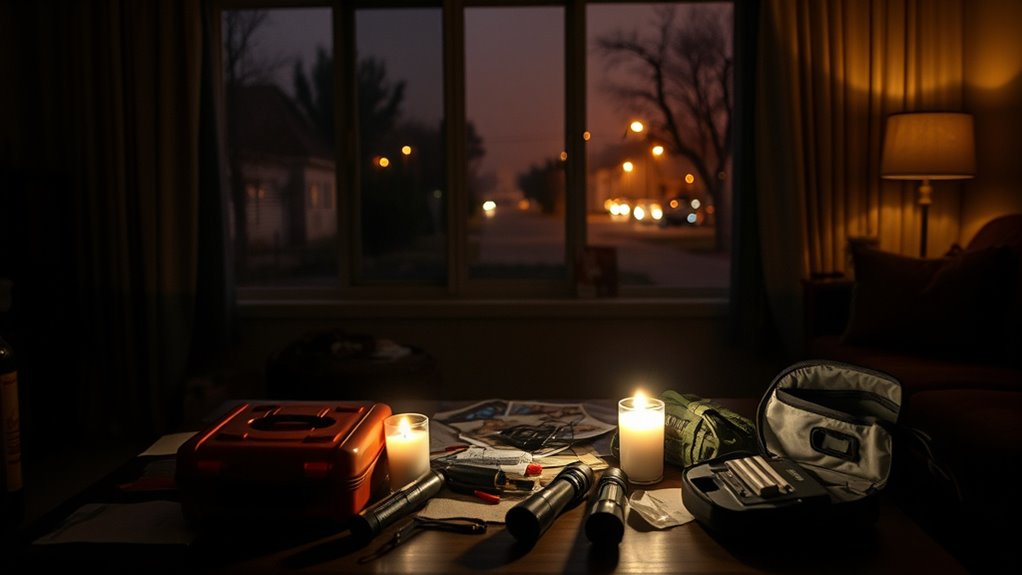
Relying solely on a backup generator isn’t enough if you haven’t prepared for the immediate needs during a power outage. Emergency lighting is essential to keep your home safe and navigate safely once the power goes out. Without proper lighting, you risk accidents and inability to perform basic tasks. Make sure your power backups include flashlights, battery-powered lanterns, and extra batteries. Keep these supplies accessible and functional. Many people overlook this critical aspect, assuming their generator will cover all needs, but generators don’t power lights unless specifically connected. Stocking emergency lighting supplies guarantees you won’t be left in the dark when you need it most. Being prepared with reliable power backups can make a significant difference in safety and comfort during wildfire smoke events and outages.
Thinking Cell Phones Will Always Keep You Connected During Outages
Many assume their cell phones will stay connected during a power outage, but this isn’t always the case. Cell phone reliance can give a false sense of security, especially when outdoor air quality worsens. During wildfires, cell towers may become overwhelmed or damaged, cutting off your connection when you need it most. You might find yourself stranded without a way to communicate, even if your device shows bars. Visualize a scene where you’re trying to call for help, but the signal drops. Or, your battery drains quickly because you’re constantly searching for connection. Remember, relying solely on your cell phone leaves you vulnerable. It’s essential to have backup communication plans and understand that power outages can disrupt your ability to stay connected, especially when outdoor air quality is hazardous.
Ignoring the Importance of Emergency Food, Water, and Medication Supplies

When cell towers fail during a wildfire, staying connected becomes difficult, and you might find yourself cut off from outside help. That’s why emergency preparedness must include ample food, water, and medication supplies. Without proper resource management, you risk dehydration, hunger, or medical emergencies, especially if rescue delays occur. Don’t rely on stores or nearby help; stock up in advance and regularly check expiration dates. Gather enough supplies to last at least several days for everyone in your household. Prioritize medications and essentials that support health and well-being. Proper planning ensures you’re not vulnerable when communication lines go down. Ignoring this aspect of emergency preparedness can turn a stressful situation into a life-threatening one. Be proactive—manage your resources wisely before disaster strikes.
Frequently Asked Questions
Can Wildfire Smoke Cause Long-Term Health Issues Even After It Clears?
Yes, wildfire smoke can cause long-term health issues even after it clears. If you experience wildfire exposure, you might develop respiratory problems, asthma, or other chronic conditions over time. It’s essential to take precautions during and after fires, like avoiding smoky areas and monitoring your health. Protecting yourself now helps prevent potential long-term health impacts from wildfire smoke exposure later.
Are There Specific Types of Masks Recommended for Wildfire Smoke Protection?
For wildfire smoke protection, you should choose a respirator with a properly rated filter, like an N95 or P100, which effectively blocks harmful particles. Make sure your respirator fits snugly for maximum protection. Always follow respirator selection guidelines and check mask maintenance regularly to guarantee the filter isn’t clogged and the seal remains tight. Proper use and upkeep are key to staying safe during smoky conditions.
How Often Should Backup Generators Be Tested and Maintained?
You should test your backup generator at least once a month to guarantee it’s working properly, especially before wildfire season. Follow a regular generator maintenance schedule, including checking fuel levels, oil, filters, and battery condition. Regular testing helps identify issues early, so you’re ready when outages happen. Additionally, perform a full load test every 3-6 months to confirm your generator can handle the required power during an emergency.
What Are the Best Practices for Storing Emergency Food and Water Supplies?
You should store emergency food and water in airtight containers and keep them in a cool, dark place. An interesting statistic shows that most people only have a 3-day supply, but it’s best to prepare for at least two weeks. Use proper emergency packaging to prevent spoilage and regularly rotate your supplies to guarantee freshness. This way, you’ll be ready when disaster strikes, with safe, reliable resources on hand.
How Can I Ensure My Communication Devices Remain Operational During Outages?
To keep your communication devices operational during outages, you should invest in solar chargers and battery backups. Solar chargers harness sunlight to recharge your devices, ensuring you stay connected even without power. Battery backups provide immediate power when outages occur, giving you peace of mind. Regularly test and maintain these devices so they’re ready when you need them. Stock up on extra batteries and keep your solar chargers in a visible, accessible spot.
Conclusion
Don’t let wildfire smoke and power outages catch you off guard like a thunderstorm in a clear sky. Prepare yourself with a solid plan, knowing that even the smallest oversight can leave you stranded in a sinking boat. Stay vigilant, stock up on essentials, and think ahead—because in the wild dance of nature’s fury, your readiness is the anchor that keeps you afloat when chaos strikes. Be proactive; your safety depends on it.